How Rubber Automotive Parts Are Transforming the Automotive Industry
Rubber products are revolutionizing the automotive industry in profound ways. From ensuring vehicle durability to improving comfort and safety, rubber remains an indispensable material in modern automotive engineering. Its flexibility, resilience, and sustainable benefits make it central to the evolution of vehicle design and performance.
The Versatility of Rubber in Automotive Applications
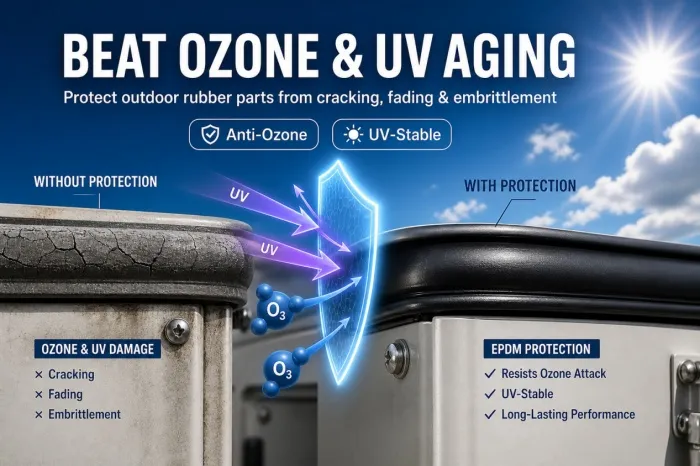
One of rubber’s most significant advantages is its versatility. It is used in everything from tires to engine components, enabling vehicles to withstand extreme conditions. With its ability to resist wear, endure temperature extremes, and prevent corrosion, rubber is perfectly suited for the harsh environments vehicles face daily.
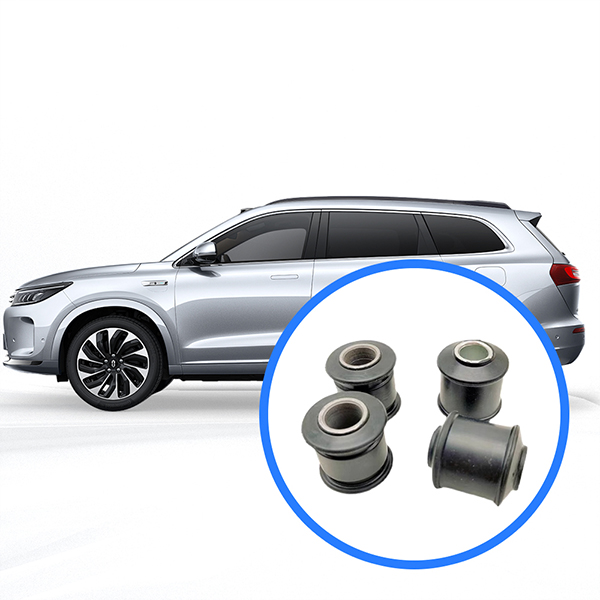
Notably, rubber contributes to making vehicles quieter and more comfortable. For instance, rubber vibration isolators reduce road and engine vibrations, creating smoother and quieter rides. These components are carefully crafted by specialized manufacturers who balance material composition and functionality. Additionally, rubber seals and gaskets help maintain vehicle performance by preventing leaks and shielding internal components from dust and moisture.
Key Applications of Rubber in Automotive Engineering
1. Tires
Rubber tires are critical for vehicle performance, offering durability, superior grip, and adaptability to different terrains and weather. They enhance handling, braking, and overall safety, making them one of the most vital components of any automobile.
2. Seals and Gaskets
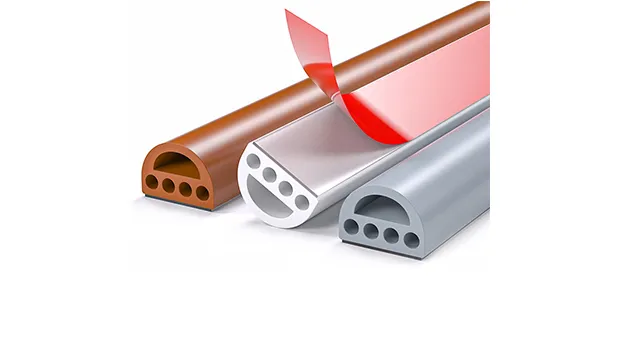
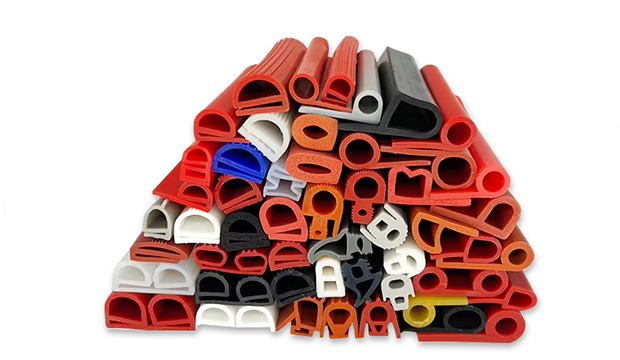
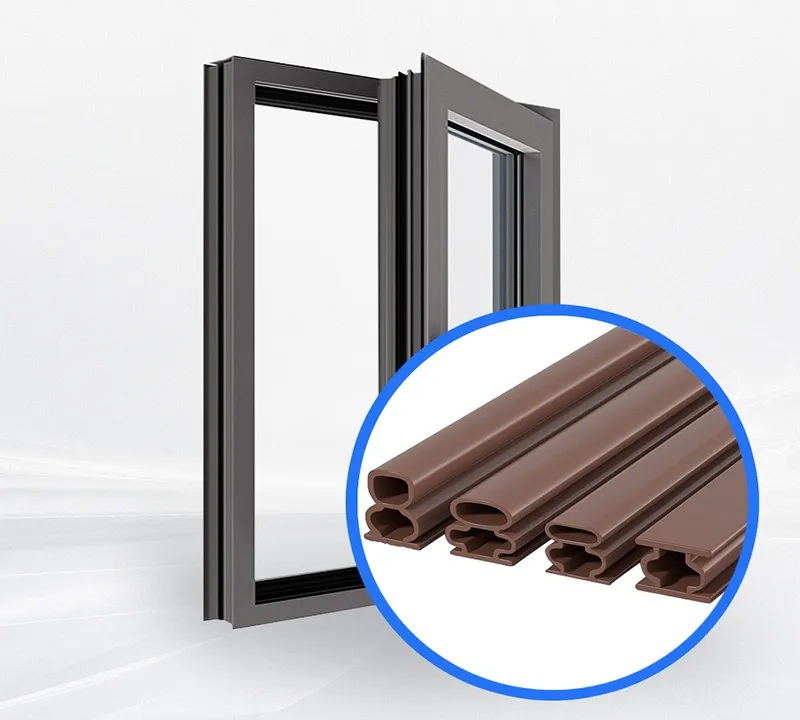
Rubber seals and gaskets ensure the reliability of automotive systems by preventing leaks and protecting sensitive mechanical components from dust and moisture. These parts are essential for maintaining engine performance and longevity.
3. Vibration Isolators
Rubber mounts and bushings act as vibration isolators, reducing the noise and impact from the road and engine. This enhances ride comfort and protects vehicle components from wear, increasing their lifespan.
4. Hoses
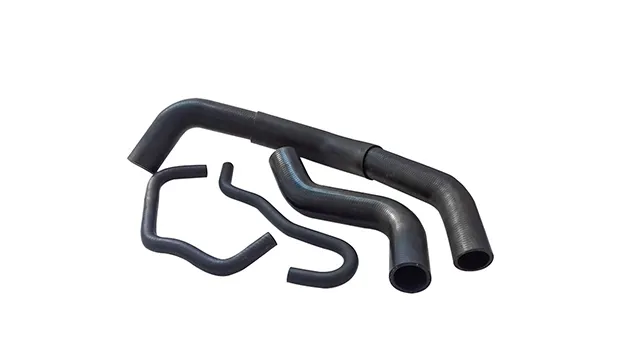
Made from durable and flexible rubber, automotive hoses transport essential fluids like oil, coolant, and fuel. They are critical for the functioning of modern engines, accommodating complex layouts while maintaining structural integrity.
Safety Benefits of Rubber Technology
Safety is paramount in vehicle design, and rubber products play a critical role. Rubber's shock-absorbing qualities are key in components like airbags and bumpers, offering vital protection during collisions. Additionally, rubber-based brake pads provide the friction necessary for quick and effective braking, directly enhancing customer safety.
Sustainability and Rubber Recycling
Amid growing environmental concerns, the automotive industry is prioritizing sustainability efforts through rubber recycling. Old rubber tires and components are increasingly repurposed into new automotive parts or alternative applications, reducing waste and conserving raw materials. This shift aligns with global efforts to reduce the carbon footprint of vehicle production.
Advantages of Rubber in Automotive Applications
Rubber offers numerous benefits, making it an ideal material for the automotive sector:
• Durability: Its resistance to temperature extremes, moisture, and wear ensures long-lasting performance.
• Cost Efficiency: Rubber is cost-effective to manufacture and can be molded into intricate shapes, reducing overall production costs.
• Recyclability: Recycled rubber supports sustainable manufacturing processes and lowers environmental impact.
Future Trends in Rubber Usage
Innovation continues to shape the future of rubber in the automotive industry. Efforts are being made to develop bio-based or synthetic rubbers that minimize environmental impact while enhancing durability and recyclability. For example, these advancements are critical for electric vehicles (EVs) and advanced driver-assistance systems (ADAS), where rubber components are vital for noise reduction and vibration control.
Concluding Thoughts
Rubber remains indispensable in the automotive industry, driving advancements in safety, efficiency, and sustainability. Its versatile applications enhance vehicle performance, while innovations in material science are positioning rubber at the forefront of sustainable and high-performance vehicle design.
For a resilient, sustainable, and innovative future, rubber automotive parts are paving the way forward in the driving experience.