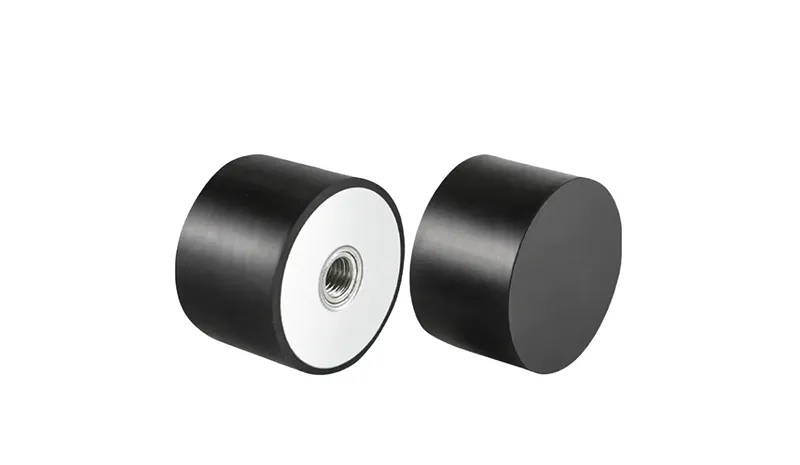
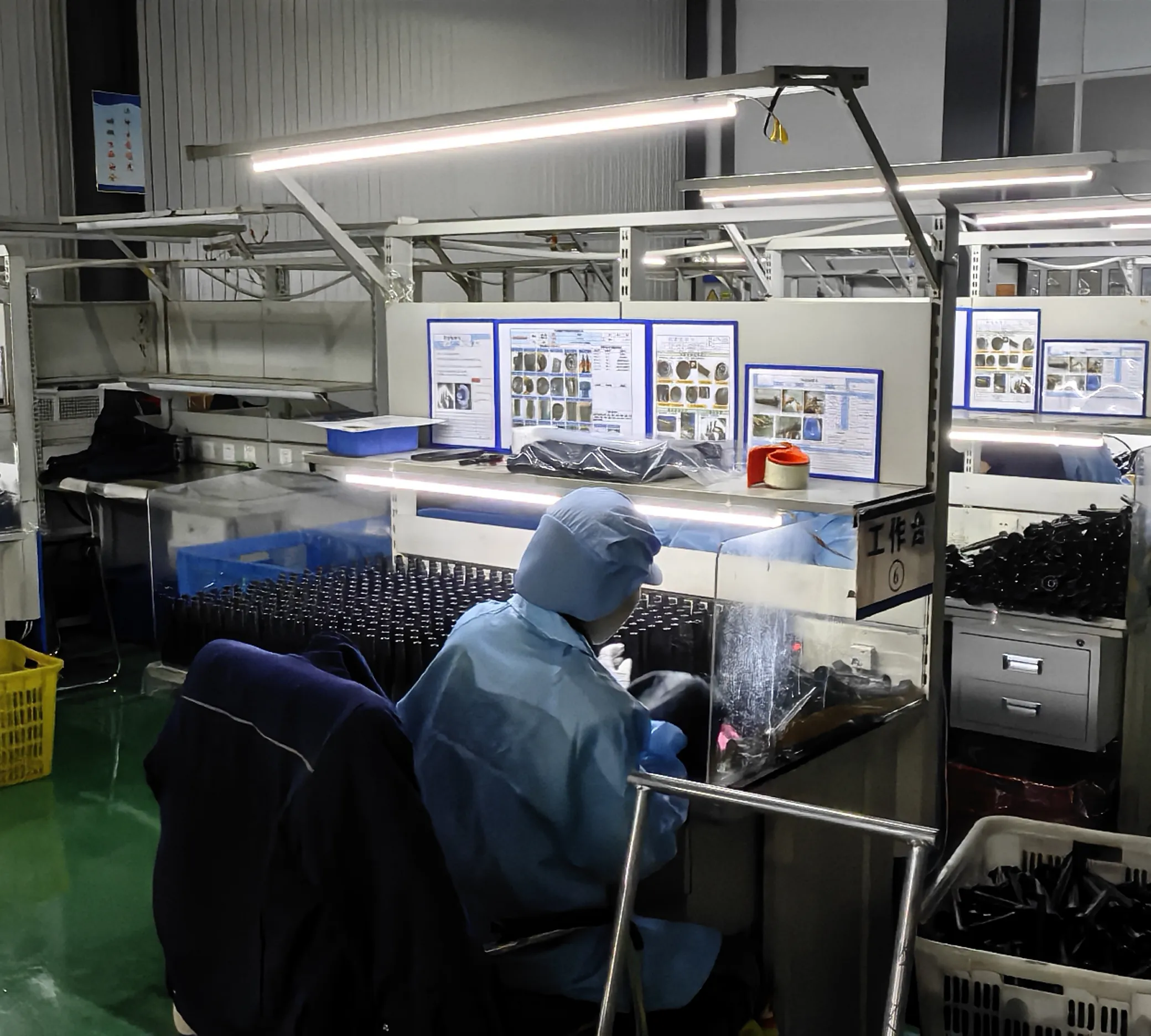
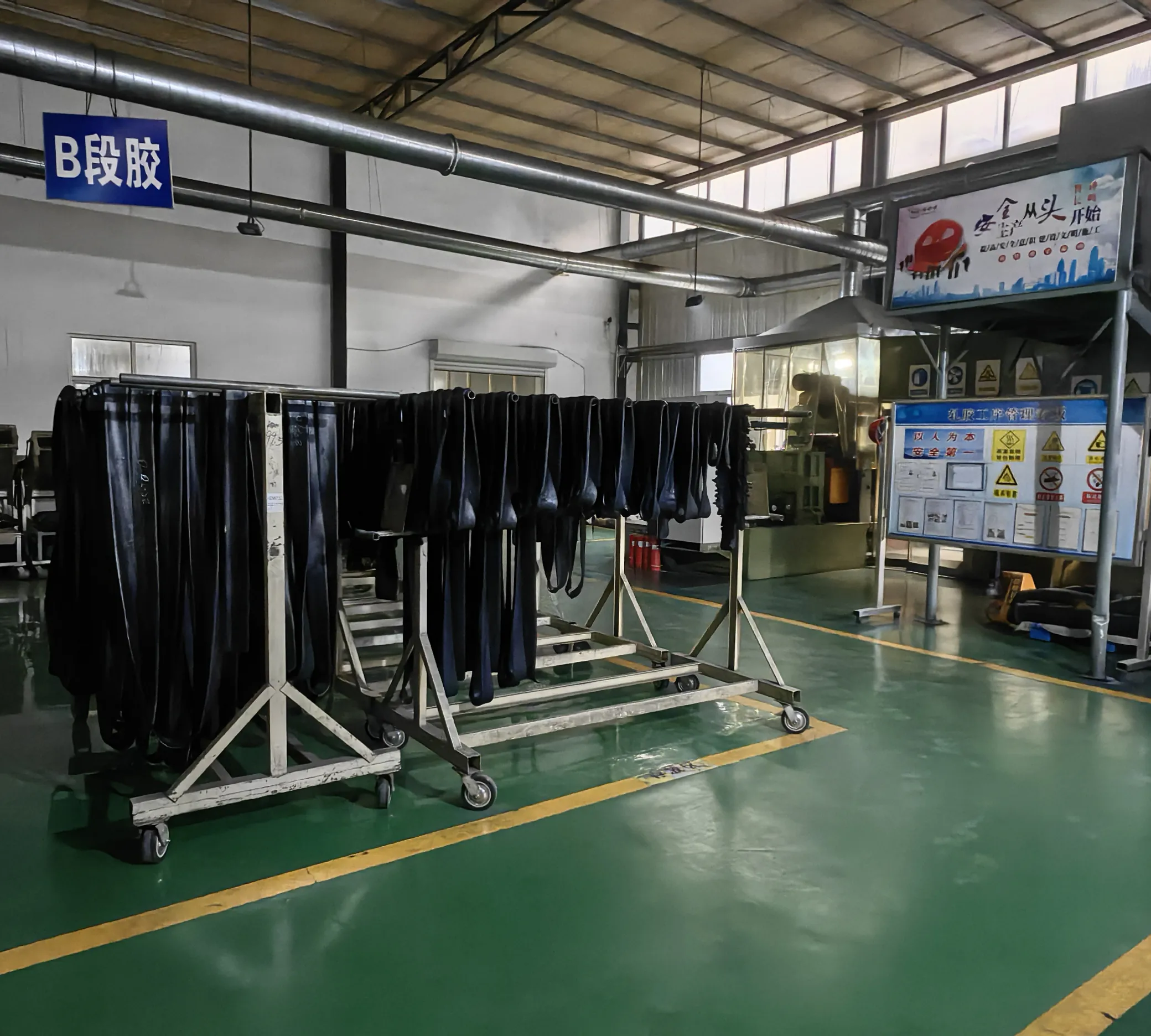
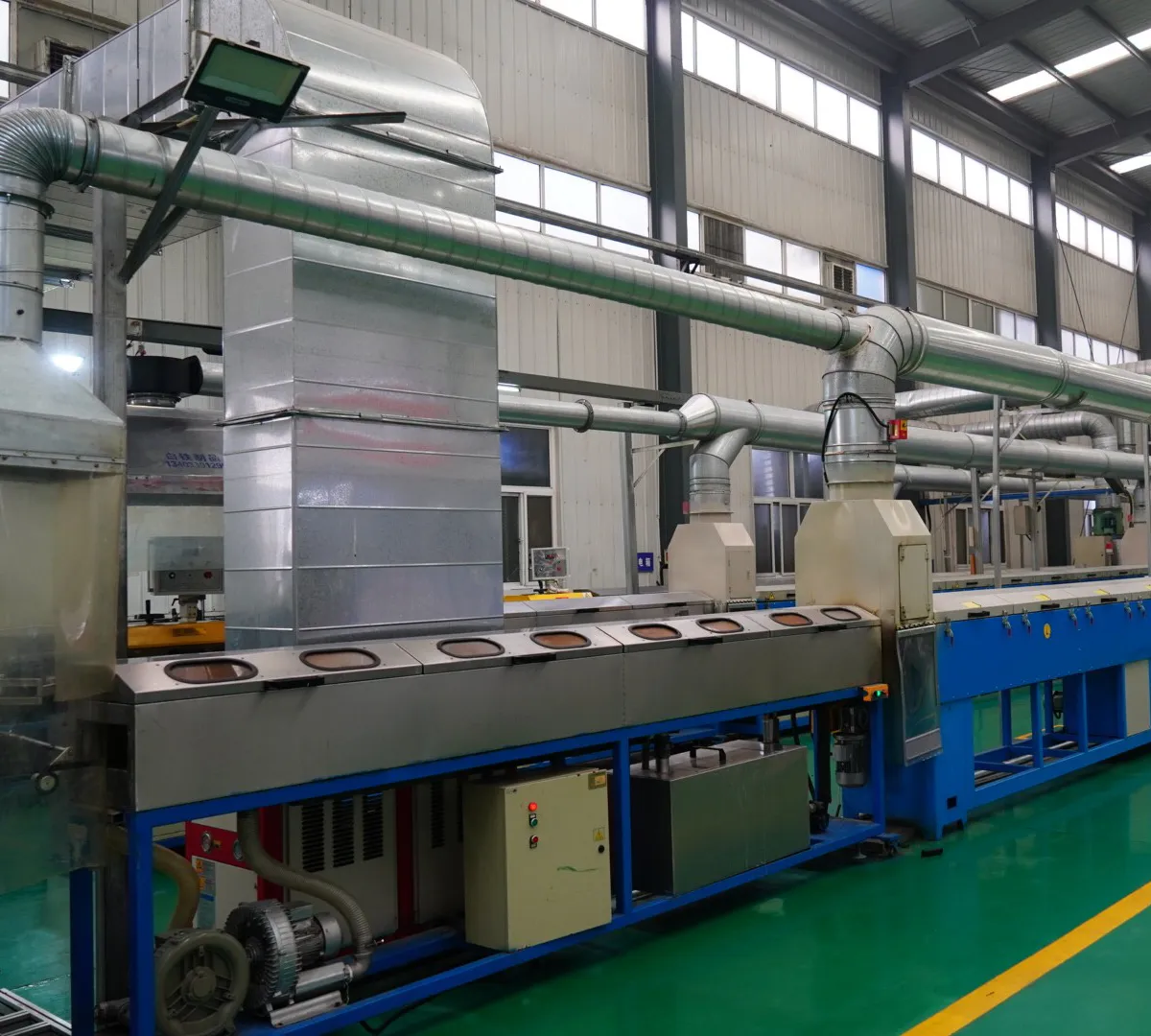
Transfer molding, like compression molding, involves preparing raw materials into "pre-forms" that are placed into a "pot" before molding begins. Once the mold is closed, a "plunger" compresses the rubber in the pot, forcing it through channels to fill the cavity.
Transfer molding offers several benefits that make it a preferred method for many applications:
Simplified Pre-form Preparation
One pre-form can fill multiple cavities, reducing the need for complex pre-form preparation. This simplified process results in greater efficiency and consistency.
Improved Dimensional Accuracy
Because excess material is held in the pot and not in the cavity parting line, transfer molding enables tighter dimensional tolerances for precision-crafted parts.
Reduced Risk of Contamination for Colored Rubber Parts
Pre-forms can be hand-cut from raw material sheets, which decreases contamination risks compared to mechanical prep methods in compression molding or the use of screws and barrels in injection molding.
The main drawback of transfer molding is the increased material waste. Excess rubber left in the pot after transfer is typically cured into a "flash pad," which may require recycling or disposal.
With over 15 years of expertise in transfer molding, Hebei Sunrise Rubber and Plastic Technology Co., Ltd. delivers custom rubber solutions designed to meet the unique needs of every client. Our comprehensive services include design, prototyping, production, and delivery to ensure every project is seamless, from start to finish.
Partner with Hebei Sunrise Rubber and Plastic Technology Co., Ltd. for reliable, precision-crafted rubber components. Our commitment to quality ensures your production process benefits from industry-leading expertise and tailored solutions.