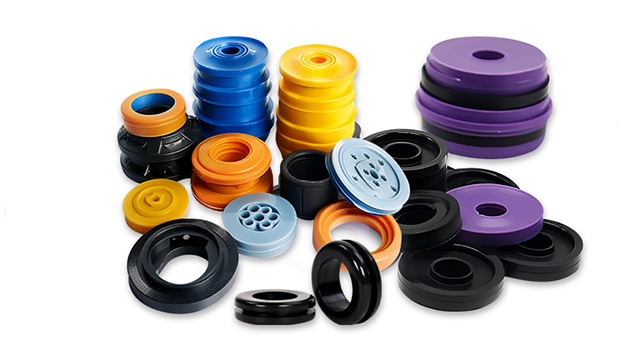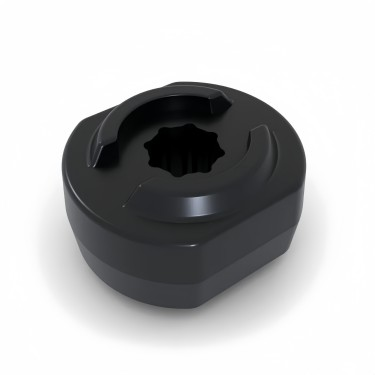
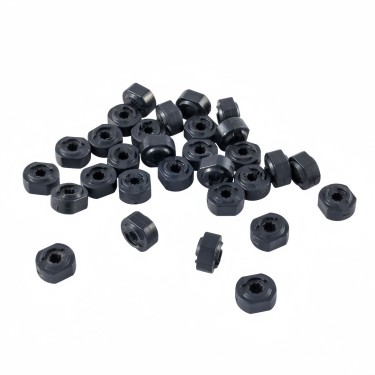
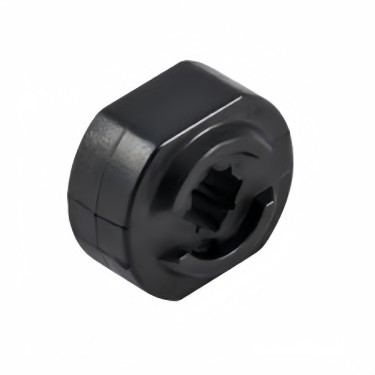
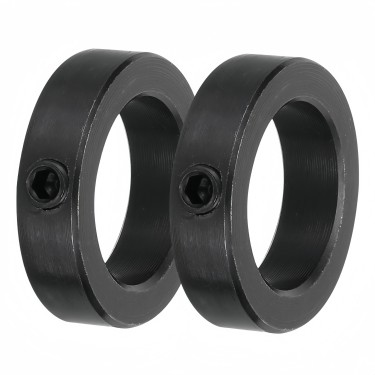
A rubber shaft collar is a versatile mechanical component designed to position, secure, and locate devices or parts on a shaft. Made from durable rubber, these rubber shaft collars provide a secure grip while offering flexibility and cushioning. Engineered for precision fit, each rubber shaft collar ensures reliable performance under dynamic operating conditions. Our rubber shaft collars are especially valuable in vibration-sensitive environments where noise reduction and shaft protection are priorities, making them a crucial element in various industries such as machinery, automotive, and industrial equipment.
Rubber shaft collars serve multiple purposes, ensuring both functionality and durability in their applications, with the rubber shaft collar being a key component in many mechanical systems:
Positioning: Precisely positions components along the shaft, ensuring accurate alignment.
Locating: Prevents unwanted movement, keeping components in their designated spots.
Securing: Locks components firmly, providing a reliable and secure grip.
Vibration Damping: Absorbs vibrations to reduce stress and wear on the shaft and attached components.
Noise Reduction: Minimizes noise caused by mechanical movement on the shaft.
Protection: Shields the shaft surface from damage and wear over time.
Rubber shaft collars are indispensable in various industries and applications, including:
Machinery: Utilized in machines to hold bearings, gears, and other components in place during operation.
Automotive: Plays a critical role in securing parts while dampening vibrations to enhance vehicle performance.
Industrial Equipment: Ensures the stability of rotating parts like pulleys and sprockets in industrial machines.
Medical Devices: Applied in medical equipment where precise positioning and vibration control are critical.
Robotics: Guarantees accurate component placement within robotic systems, reducing operational noise and improving efficiency.
Aerospace: Used in aerospace engineering to secure components while effectively minimizing vibrations and noise. Every rubber shaft collar destined for aerospace applications undergoes rigorous quality testing.
Rubber shaft collars are integral to modern engineering, offering both functionality and protection to critical components. A well-designed rubber shaft collar ensures stable operation and reduced maintenance, providing both secure fastening and vibration isolation. Whether you need to secure parts in heavy machinery or reduce vibrations in medical devices, their versatility and effectiveness make them a preferred choice across numerous industries. Selecting the appropriate rubber shaft collar is key to achieving optimal performance and durability in any application.
| 1 | Product Name: | Rubber Shaft Collar | ||
| Other Name: | Non-Marring Collar, Insulating Shaft Collar, Rubber Cushion Collar, Locking Collar, Rubber Bushing Collar, Drive Shaft Rubber Collar, Bearing Lock Collar, Shaft Seal Collar, Hydraulic Rod Guard, Anti-Vibration Shaft Collar, Rubber Protective Sleeve | |||
| 2 | Optional Materials | |||
| Material | Key Properties | Working Temp.(°C) | Hardness(Shore A) | |
| Neoprene(CR) | Flame retardant, good weathering/ozone resistance; Moderate oil resistance | -40 to 120 | 40–95 | |
| Nitrile Rubber (NBR) | Best cost-effective oil resistance; Strength increases with acrylonitrile content; Poor ozone resistance | -30 to 120 | 40–100 | |
| Natural Rubber (NR) | High elasticity, excellent tensile strength & abrasion resistance; Poor oil/ozone resistance | -60 to 80 | 40–90 | |
| Silicone Rubber (VMQ) | Widest temp range, excellent insulation; Low strength, poor oil resistance | -100 to 250 | 20–80 | |
| 3 | Producing Technoly | |||
| 3.1 Pression Rubber Molding | ||||
| 4 | Use Cases | |||
| Automotive Industry | ||||
| Industrial Equipment and Machinery | ||||
| Aerospace and Maritime | ||||

Take advantage of our network and see what SRRP can do for you.