Rubber extrusion distinguishes itself from molded rubber manufacturing by its unique process. Unlike molding, rubber extrusion involves forcing rubber through a die with the desired cross-section under pressure. Typically, this process uses soft, unvulcanized rubber compounds fed into an extruder. The extrusion process leaves the rubber in a pliable state, necessitating vulcanization (hardening) to create durable, usable products.
Rubber extrusion occurs over multiple stages designed to produce precision rubber profiles. Here’s a step-by-step breakdown.
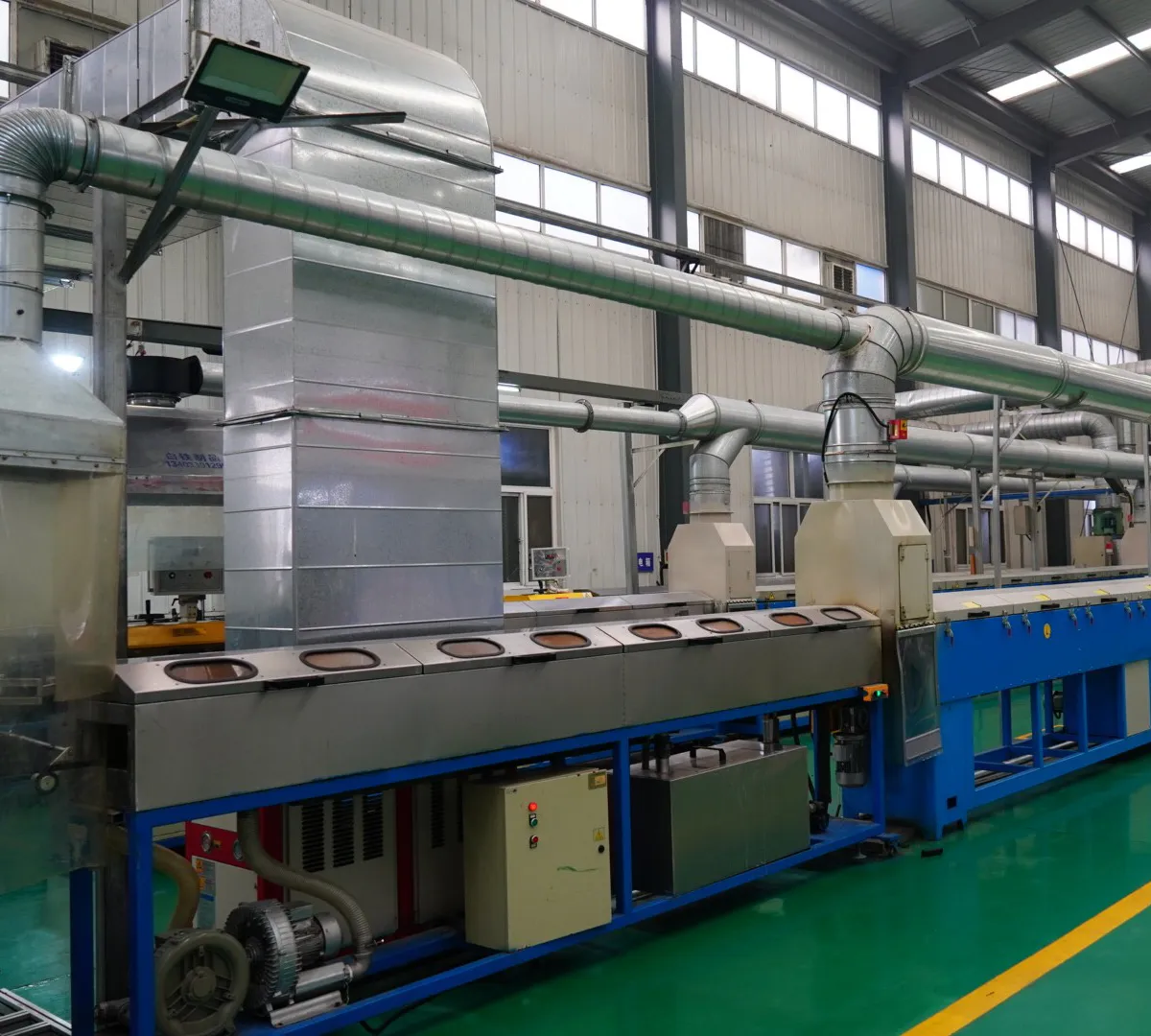
The process starts with feeding a rubber compound into an extruder via a feed hopper. The hopper transfers the material to the flutes of a revolving screw that carries the compound forward.
The material progresses along the screw, experiencing increasing pressure and temperature as it approaches the die.
Upon reaching the die, the built-up pressure pushes the rubber through specific openings in the die. Depending on the rubber compound's composition and hardness, the extruded material may swell to varying degrees. This swelling often necessitates tolerances in the final product's cross-section to meet precise specifications.
During vulcanization, the rubber undergoes swelling or shrinkage in both its cross-section and length, influenced by the type of rubber compound used. Following vulcanization, extruded rubber may experience dimensional variations, particularly a reduction in the length’s center compared to its ends.
An extrusion die represents a critical component in creating custom rubber products. Each die is meticulously crafted by cutting an opening into a blank steel piece. The opening aligns with the desired shape of the finished rubber product's cross-section.
When the rubber material is forced through the die by the extruder's revolving screw, some rubber compounds tend to swell. This potential increase in dimensions is considered when designing the die to ensure the final extruded rubber product meets required tolerances. The precise design of the die ensures consistently accurate shapes and dimensions.
Rubber extrusion offers numerous benefits, making it an ideal manufacturing process for businesses in diverse industries:
Variety of Shapes: Easily create intricate and unique profiles.
Efficiency: Achieve high-quality results at a cost-effective rate.
Flexibility: Lightweight and adaptable for various applications.
Reduced Waste: Efficient use of materials minimizes production waste.
At Hebei Sunrise Rubber and Plastic Technology Co., Ltd., we produce a wide range of extruded rubber products tailored to meet diverse industrial needs. Here are some examples:
Connectors
Tubing
Mandrel-formed hoses
Door, cabinet, and window seals
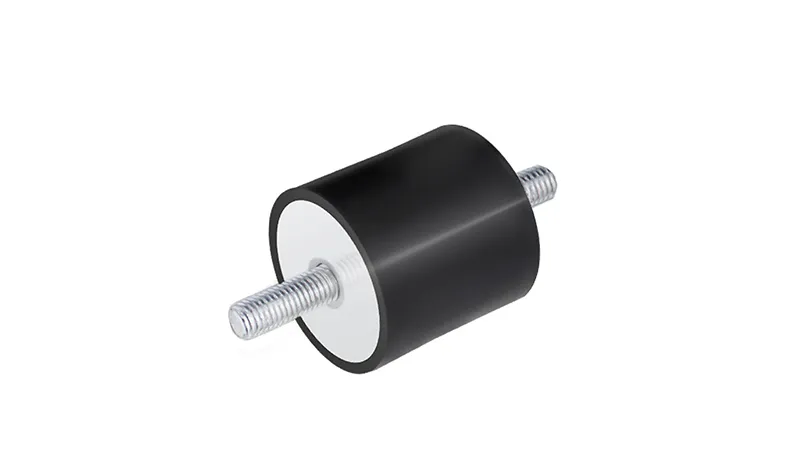
Vibration reducers
Gaskets and spliced gaskets
Square tubing for pressure switches
Window seals for mass transit
We work with various rubber compounds like EPDM and neoprene, producing dense or sponge rubber solutions capable of withstanding different temperature, weather, and technical requirements.
Why choose Hebei Sunrise Rubber and Plastic Technology for rubber extrusion?
At Hebei Sunrise Rubber and Plastic Technology Co., Ltd., we pride ourselves on delivering custom rubber solutions that prioritize your satisfaction. Whether you require intricate designs or large-scale production, we streamline the process for you – from design to delivery.
Explore how our tailored rubber extrusion services can support your business. Contact us today to discuss your unique requirements!