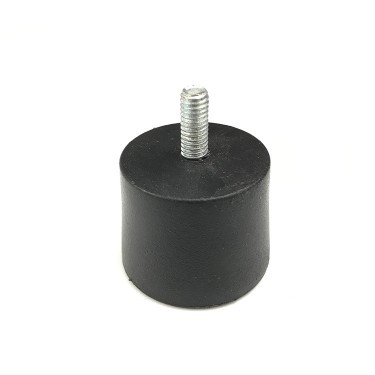
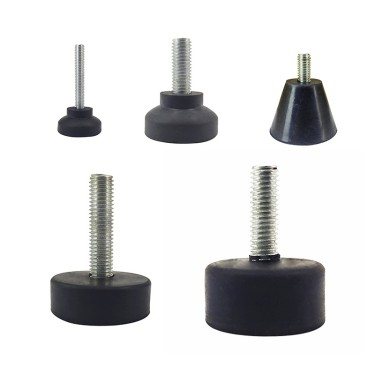
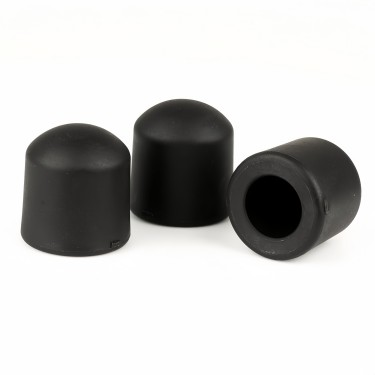
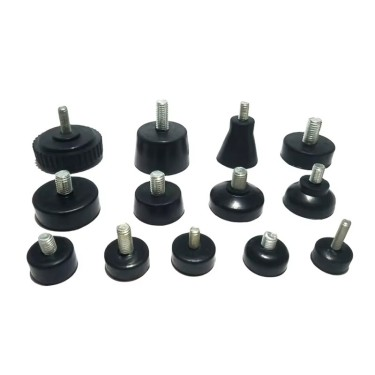
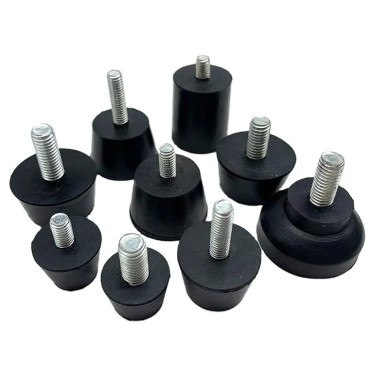
Rubber feet are indispensable components across industries and applications, offering stability, protection, and noise reduction. Here’s a detailed look at how they are commonly used and why they are essential. As a leading rubber feet manufacturer, SunRise Rubber Plastic understands the critical role these components play in product performance, including the ability to design and produce custom rubber feet for specialized needs. Choosing a reliable rubber feet manufacturer ensures durability, precise design, and effective vibration control in any application, whether you require standard options or tailored custom rubber feet.
Non-Slip Properties
Enhanced Stability: The high friction levels of rubber feet ensure objects stay securely in place.
Safety Improvement: By preventing movement, they reduce risks of accidents and injuries.
Vibration and Noise Reduction
Vibration Dampening: Rubber absorbs vibrations, safeguarding delicate equipment and reducing wear.
Noise Reduction: Minimizing vibrations leads to quieter environments, ideal for domestic and professional settings.
Surface Protection
Prevent Scratches: Rubber feet protect surfaces from damage, especially useful for high-value or delicate items.
Floor Safety: Heavy equipment or furniture with rubber feet ensures floors remain unscathed.
Durability
Long Lifespan: Rubber is highly resistant to wear and tear, offering long-lasting performance.
Weather Resistance: Many rubber types can withstand environmental factors like moisture, heat, and chemicals, making them fit for both indoor and outdoor applications.
Ease of Installation
User-Friendly Design: Rubber feet are simple to attach with adhesive backings or screws.
Versatile Options: They are available in various shapes, sizes, and hardness levels, making them adaptable to diverse needs, including the option for custom rubber feet designed to match specific dimensions or load requirements.
Cost-Effectiveness
Affordable Solution: Rubber feet are economical and enhance both the functionality and durability of various items.
Electronics and Appliances
Computers and Laptops: Rubber feet are placed at the base of laptops and desktop computers to prevent slipping, improve ventilation, and minimize vibrations.
Home Appliances: Devices such as microwaves, blenders, and coffee makers utilize rubber feet for stability on countertops while reducing operational noise.
Furniture
Chairs and Tables: Rubber feet on furniture legs protect floors from scratches and ensure a non-slip base.
Cabinets and Shelves: Placed at the bottom of furniture, they help safeguard floors and maintain stability.
Industrial Equipment
Machinery: Rubber feet in industrial settings help reduce vibrations, improve equipment longevity, and create a safer working environment. For specialized machinery, custom rubber feet can be engineered to handle unique load and vibration profiles.
Laboratory Equipment: Sensitive instruments rely on rubber feet for enhanced stability and minimized vibration interference for accurate measurements.
Musical Instruments
Amplifiers and Speakers: Rubber feet ensure better stabilization, reducing vibrations that can interfere with sound quality.
Keyboards and Pedals: Foot pedals and musical keyboards utilize rubber feet to prevent slipping during usage.
Automotive
If you are looking for a professional rubber feet manufacturer for standard or custom rubber feet solutions, contact SunRise Rubber Plastic today for reliable products and expert support.
| 1 | Product Name: | Rubber feet | ||
| Other Name: | Rubber Foot, Rubber Pad, Rubber Bumper, Adjustable Leveling Foot, Anti-Vibration Foot, Non-Slip Rubber Base, Shock-Absorbing Pad, Machinery Leveling Foot, Dielectric Equipment Foot, Server Damping Mount, Battery Locating Foot, ECU Anti-Shock Pad, Hospital Caster Cup, Non-Magnetic MRI Foot, Threaded Insert Foot, Bolted Heavy-Duty Foot, Snap-On Rubber Foot, Magnetic Base Foot, NBR Oil-Resistant Foot, Conductive ESD Foot, FDA Silicone Foot, Cryogenic Neoprene Foot, Adjustable Leveling Foot, Non-Slip EPDM Base, Anti-Vibration Foot, Medical-Grade Silicone Foot, Hospital Silent Glide Foot, ESD Safe Conductive Rubber Foot, Heavy Duty Rubber Leveling Foot, Foot Pad, Support Rubber, Heavy Duty Rubber Leveling Foot, ESD Safe Conductive Rubber Foot, Hospital Silent Glide Foot | |||
| 2 | Optional Materials | |||
| Material | Key Properties | Working Temp.(°C) | Hardness(Shore A) | |
| Nitrile Rubber (NBR) | Best cost-effective oil resistance; Strength increases with acrylonitrile content; Poor ozone resistance | -30 to 120 | 40–100 | |
| Neoprene(CR) | Flame retardant, good weathering/ozone resistance; Moderate oil resistance | -40 to 120 | 40–95 | |
| Ethylene Propylene Diene Monomer (EPDM) | Best weathering/ozone resistance; Good steam/acid/alkali resistance; Poor oil resistance | -50 to 150 | 40–90 | |
| Natural Rubber (NR) | High elasticity, excellent tensile strength & abrasion resistance; Poor oil/ozone resistance | -60 to 80 | 40–90 | |
| Fluorocarbon Rubber (FKM) | Best high-temp & chemical resistance (e.g., acids/oils); Low elasticity, expensive | -30 to 200 | 50–90 | |
| Silicone Rubber (VMQ) | Widest temp range, excellent insulation; Low strength, poor oil resistance | -100 to 250 | 20–80 | |
| 3 | Producing Technoly | |||
| 3.1 Pression Rubber Molding | ||||
| 4 | Use Cases | |||
| Industrial Equipment and Machinery | ||||
| Electronics and Electrical Appliances | ||||
| Construction and Household Goods | ||||
| Daily Life and Personal Care | ||||

Take advantage of our network and see what SRRP can do for you.