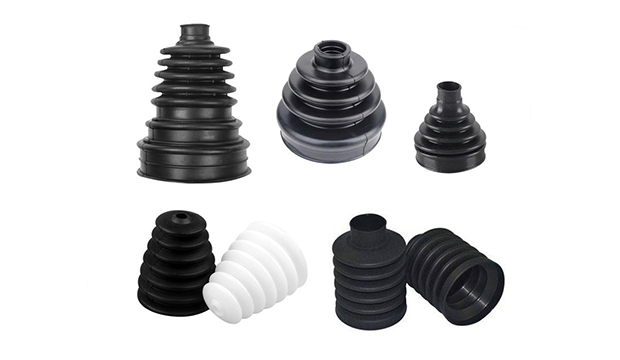
Rubber is deeply integrated into every aspect of human life and modern industry. Below is its wide-ranging application across major fields.
The rubber industry grew rapidly alongside the automotive industry. Booming development of the automobile and petrochemical industries in the 1960s greatly lifted rubber manufacturing standards. In the 1970s, demands for high speed, safety, energy saving, and pollution control drove continuous innovation in tire design.
Transportation accounts for a large share of raw rubber consumption:
• A 4‑ton Jiefang truck uses over 200 kg of rubber products
• A hard‑seat rail carriage uses about 300 kg
• A 10,000‑ton ocean vessel needs nearly 10 tons
• A jet airliner requires roughly 600 kg
Land, sea, and air transport all depend on rubber. Tires are the most critical component. Besides standard tires, radial tires, tubeless tires, and subway rubber tires are widely used. Rubber springs, air springs, and conveyor belts are also common in vehicles, stations, and subways. Rubber is even used in hovercraft and air cushion vehicles.
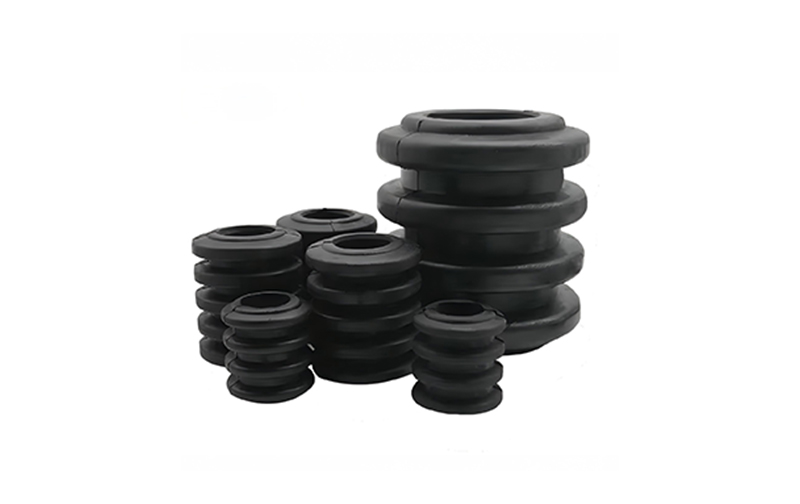
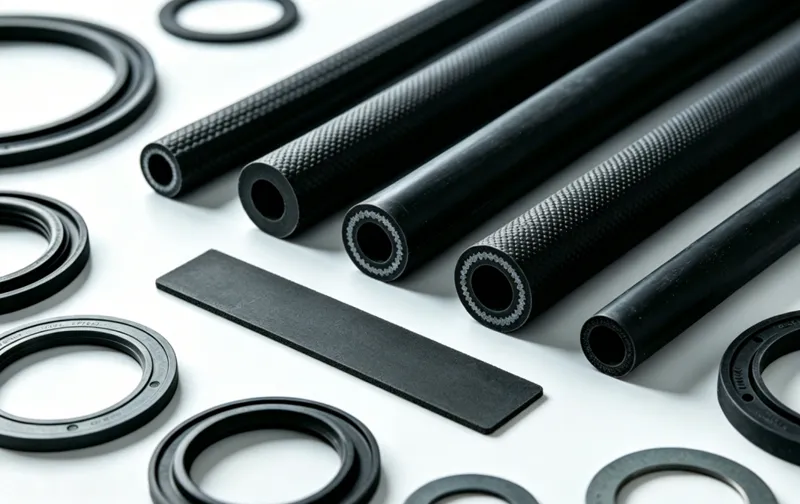
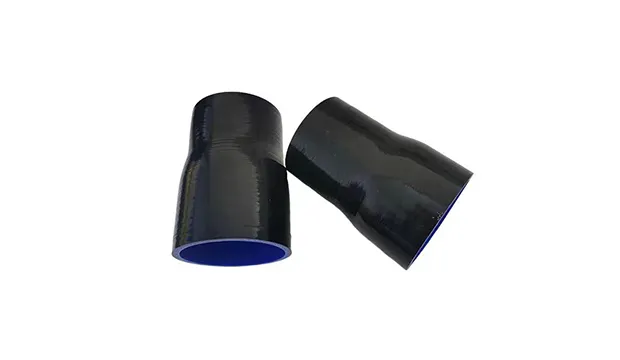
Industry relies on countless rubber parts with diverse functions and special requirements. Major products include conveyor belts, hoses, gaskets, rubber rollers, rubber sheets, linings, and personal protective equipment.
Conveyor belts are widely used in mining, coal, and metallurgy. High‑performance belts with steel cord or synthetic fiber cores support large‑scale production. Rubber liners for mining mills, made of molded rubber, last 2–4 times longer than manganese steel and reduce noise, and have been adopted worldwide.
Agricultural and water projects need many rubber products: tires for tractors and farm machinery, rubber tracks for combine harvesters, anti‑seepage linings for irrigation ponds and reservoirs, rubber dams, rubber boats, and life‑saving equipment.
A single Tieniu‑40 wheeled tractor uses 121 rubber parts. As agricultural mechanization and water infrastructure expand, demand for rubber keeps rising.
Rubber is a vital strategic material.
• One tank uses more than 800 kg of rubber
• A 30,000‑ton warship uses 68 tons
Rubber appears in military equipment, air force facilities, and defense engineering. It is used in tents, shelters, protective gear, and diving suits. Advanced defense systems need special rubbers resistant to extreme temperatures (–100 °C to 400 °C), oil, strong vacuum, acids, alkalis, and oxidizers.
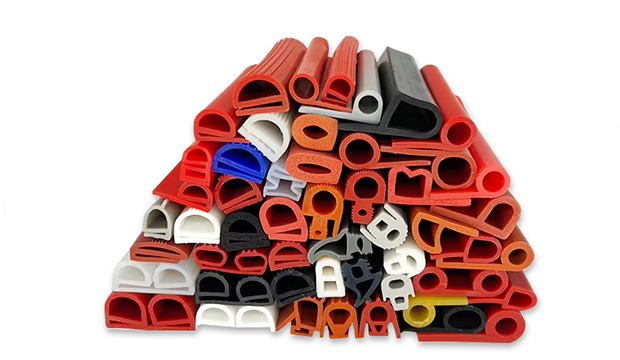
Rubber plays an essential role in modern construction: window seals, sound‑insulating floors, foam, rubber carpets, waterproof materials, and latex‑based wall coatings.
Since the mid‑1960s, large rubber bearings have been installed to reduce vibration and noise from subways. Researchers abroad are developing seismic isolation rubber bearings to protect buildings from earthquakes.
Rubber is also used in inflatable rubber formworks for concrete components, rubber–latex cement, and rubber‑modified asphalt. Adding 3% rubber or latex to asphalt prevents cracking and improves impact resistance. Construction machinery, transport equipment, and safety gear all use rubber parts.
Rubber has excellent electrical insulation and low conductivity. It is widely used for wires and cables. Ebonite (hard rubber) is made into hoses, rods, sheets, separators, and battery casings. It also provides insulating gloves and boots for electrical safety.
Hospitals use rubber products in anesthesia, urology, surgery, orthopedics, ophthalmology, otolaryngology, and radiology. Examples include surgical gloves, ice bags, and sponge cushions.
Medical rubber must be non‑toxic, sterilizable, bio‑inert, and radiation‑resistant. Butyl rubber, with high bio‑inertness and low permeability, is ideal for pharmaceutical stoppers to preserve hygroscopic and anti‑cancer drugs. Silicone rubber is widely used for artificial organs, tissue substitutes, and drug capsules for controlled, safe release.
Rubber films support controlled atmosphere (CA) storage for fruits and vegetables. Silicone rubber membranes have outstanding permeability to CO₂ and O₂ at a ratio of about 6:1 — about 200 times faster than polyethylene film.
Silicone windows embedded in plastic films maintain ideal CO₂ levels, slow respiration and ripening, reduce water loss, and prevent rot.
• Apples stored this way for five months show natural loss below 0.7%, versus 5.83% without CA
• Tomatoes stored with CA remain green for over a month with good quality; untreated ones ripen in one week
Rubber is used in sports and stationery: bladders for balls, sponge rubber for table‑tennis rackets, swim fins, toy balls, ink bladders, erasers, rubber bands, rubber stamps, blankets, balloons, and sponge pads.
Many daily items are made of rubber: footwear (one of the most consumed rubber goods), raincoats, hot water bags, elastic bands, children’s toys, sponge cushions, and latex dipped products. Rubber serves people in every corner of daily life.