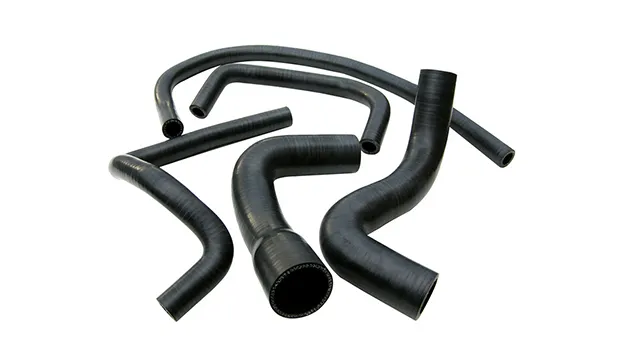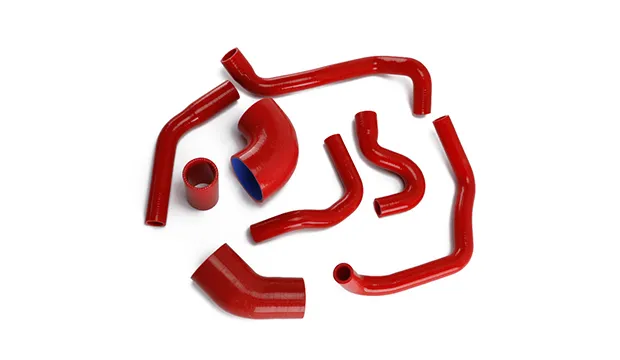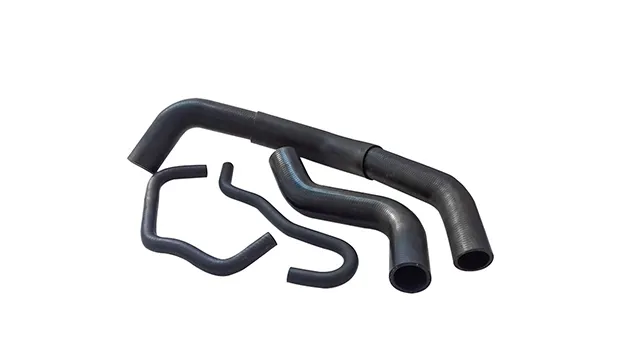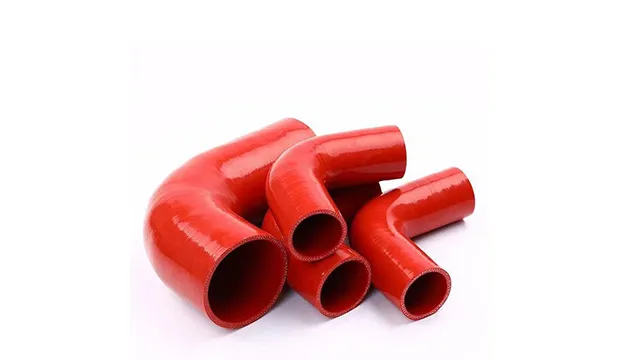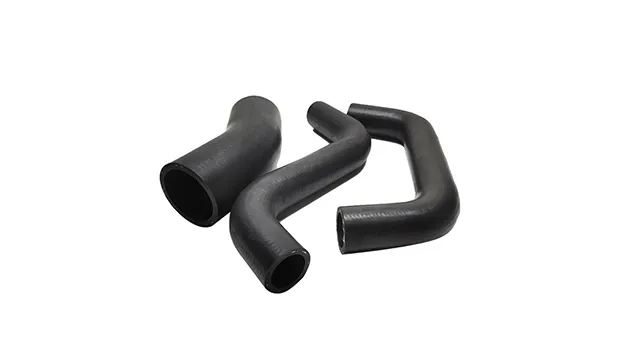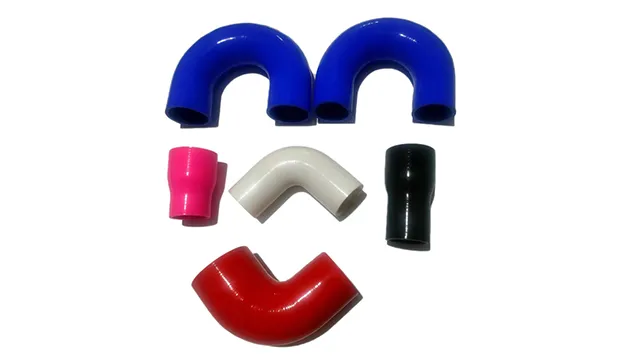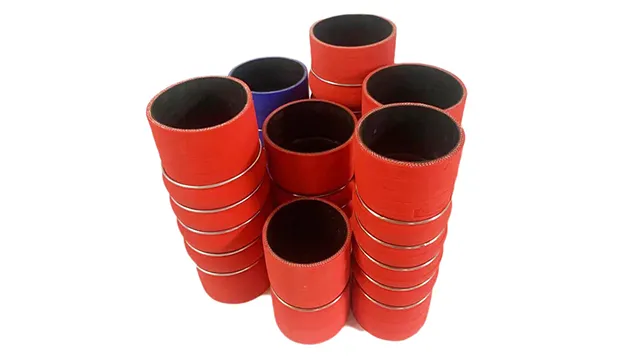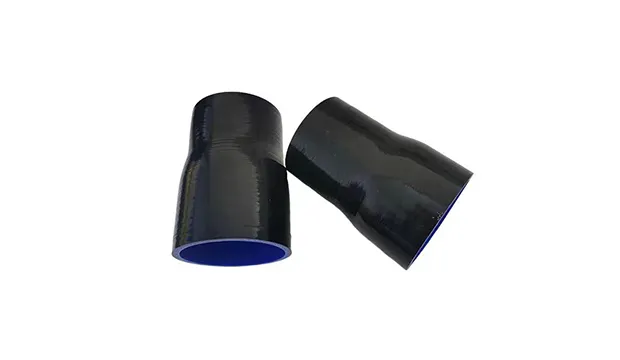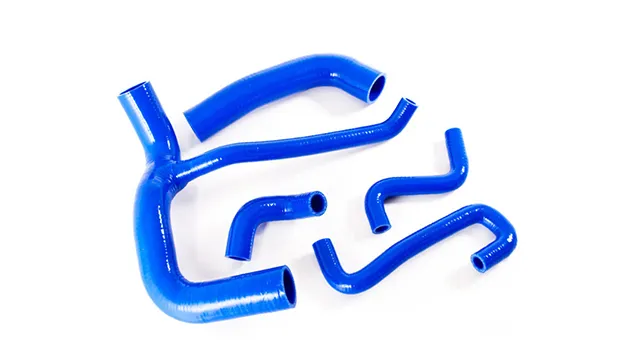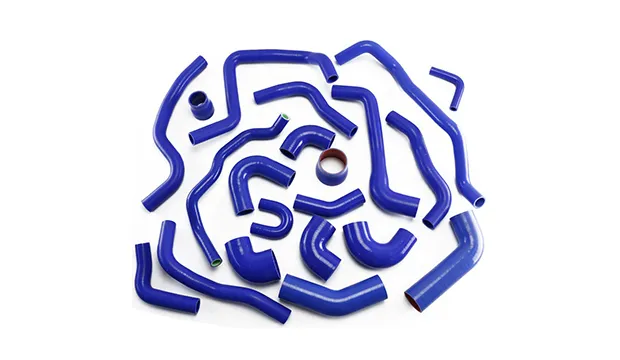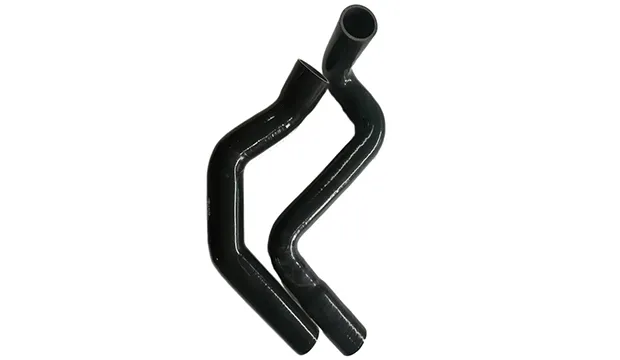
Radiator hose is a flexible conduit in a vehicle's cooling system, designed to transport coolant (antifreeze mixture) between the engine and the radiator. Its primary function is to maintain optimal engine temperature by facilitating continuous coolant circulation, thereby preventing overheating and ensuring efficient engine performance.

1. Material Composition: Modern radiator hoses are typically constructed from EPDM (Ethylene Propylene Diene Monomer) rubber or silicone, reinforced with high-tensile synthetic textiles or knitted/braided yarn layers. These materials offer exceptional resistance to heat, ozone, abrasion, aging, and coolant chemicals.
2. Temperature Resistance: They operate effectively within a broad temperature range, usually from -40°C to +150°C, making them suitable for diverse climatic conditions.
3. Durability: Designed to withstand high pressure (typically 5–20 bar) and electrochemical degradation, these hoses are engineered for long-term reliability, though eventual wear necessitates replacement.
Manufacturing adhere to industry standards such as SAE J20 (e.g., R3 for heater hoses, R4 for universal radiator hoses), ensuring compatibility, safety, and performance. Quality hoses prioritize exact fitment, material integrity, and resistance to environmental stressors.
Radiator hoses are critical components in all ground vehicles, including cars, trucks, and industrial machinery. They are tailored to fit specific engine layouts and space constraints, often requiring custom molding or universal flexible designs.

Take advantage of our network and see what SRRP can do for you.