Nitrile Butadiene Rubber (NBR) and Ethylene Propylene Diene Monomer (EPDM) are two synthetic rubbers with great differences in characteristics. Their blend is a "complementary high-end formula", mainly used in special scenarios that require both oil resistance and aging resistance. It is a classic solution for complex environments in the industry and a typical case of "characteristic complementarity" in rubber popularization.
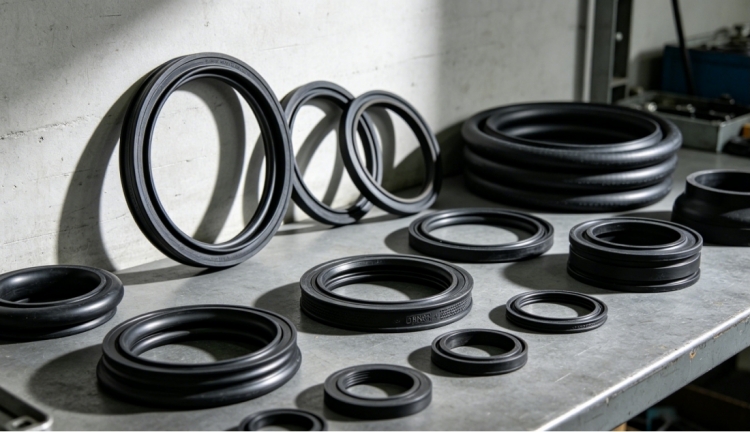
- Nitrile Butadiene Rubber (NBR): A "leader" in oil resistance among synthetic rubbers, it can withstand various oils such as mineral oil, gasoline, and diesel, with high mechanical strength and good elasticity, but its ozone resistance, aging resistance, and weather resistance are extremely poor, and it is prone to cracking when exposed to outdoor or ozone environments for a long time.
- Ethylene Propylene Diene Monomer (EPDM): A "king" of aging resistance and weather resistance, it can resist ozone, ultraviolet rays, and high temperatures (can be used continuously at 120℃), with excellent chemical resistance, but its oil resistance is extremely poor, and it will swell and fail quickly when in contact with oil.
1. Dual Compliance of Oil Resistance and Aging Resistance: This is the core advantage of this blended formula — NBR provides basic oil resistance, and EPDM supplements ozone resistance and weather resistance, solving the industry pain point that "oil-resistant materials are not aging-resistant, and aging-resistant materials are not oil-resistant".
2. Balanced Mechanical Performance: After blending, it retains the high mechanical strength and elasticity of NBR, and at the same time, with the toughness of EPDM, it improves the tear resistance and compression set resistance of products, avoiding the brittleness of pure NBR after aging and the insufficient strength of pure EPDM.
3. Expanded Applicable Environment: From a single "oil environment" or "outdoor environment" to an "outdoor oil environment" (such as outdoor mechanical seals and external seals of automobile engines), it adapts to more complex scenarios.
4. Expanded Temperature Range: It can withstand a temperature range of -30℃~100℃, balancing low-temperature elasticity and high-temperature stability, which is wider than that of a single raw material.
- Common Ratios: NBR/EPDM = 60/40 (balancing oil resistance and aging resistance, most commonly used); 70/30 (focus on oil resistance, suitable for oil environment-based and mild outdoor exposure); 50/50 (focus on aging resistance, suitable for outdoor oil environment).
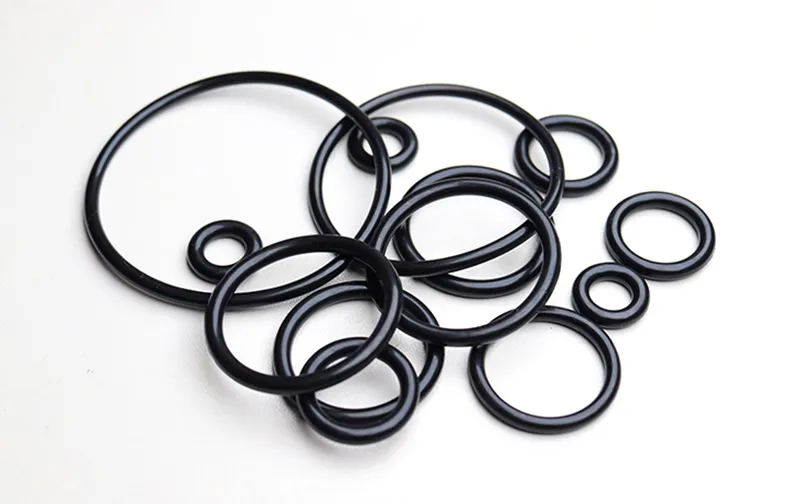
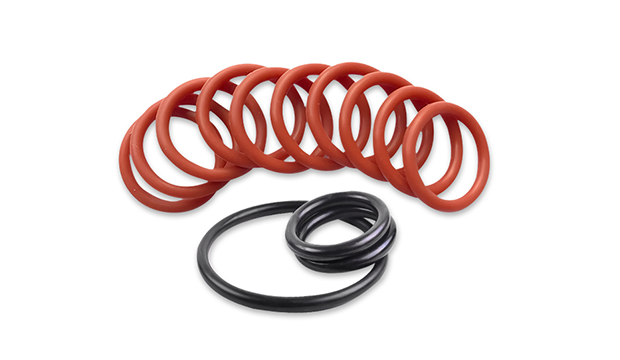
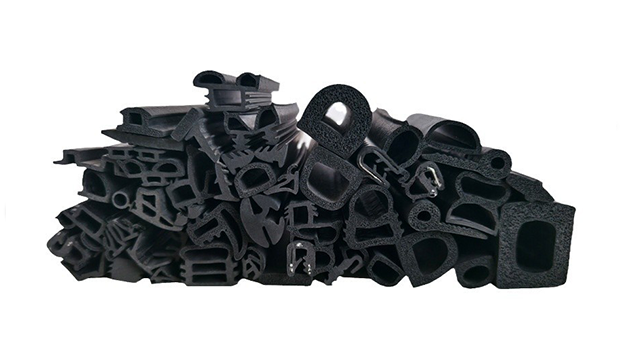
- Typical Applications: Automobile engine seals (such as engine valve oil seals and crankshaft oil seals, which need to withstand engine oil erosion, high temperature in the engine compartment, and outdoor ozone environment at the same time to avoid oil leakage and seal aging failure); Outdoor mechanical oil-resistant seals (such as hydraulic system seals of excavators and loaders, which are exposed to the outdoors for a long time and need to resist ultraviolet rays and hydraulic oil corrosion); Oilfield equipment rubber components (such as oil well casing seal rings, which can withstand crude oil and harsh outdoor environments to prevent crude oil leakage); Marine oil-resistant and weather-resistant hoses (marine engine fuel hoses and lubricating oil hoses, which can withstand seawater erosion, outdoor exposure, and fuel immersion to ensure reliable pipeline sealing).
This formula is a "targeted formula" that does not pursue omnipotence but only solves the core demand of "oil resistance + aging resistance". Its cost is higher than that of basic formulas, but it is an irreplaceable choice in special environments and is often used in high-end industrial and automotive fields.