As a professional foreign trade supplier of rubber and injection molding products, we often receive inquiries from global buyers about PU (Polyurethane)—a versatile material widely used in industrial production. With its unique combination of rubber-like elasticity and plastic-like toughness, PU has become a popular choice for various applications, from industrial components to daily necessities. This article will introduce what PU is, its key properties, core advantages, and common application fields, helping you gain a comprehensive understanding of this high-performance material and make informed purchasing decisions.
PU, short for Polyurethane, is a polymer material formed by the reaction of isocyanate and polyol. Unlike traditional rubber and plastic, PU can be customized into different forms (such as elastomers, foams, coatings, and adhesives) by adjusting the formula and processing technology, making it highly adaptable to diverse application needs. Since its commercialization, PU has been widely used in machinery, automotive, construction, and other industries, thanks to its excellent comprehensive performance.
PU’s properties are determined by its molecular structure and formula, which can be adjusted to meet specific requirements. The core properties include:
Exceptional Wear Resistance: PU has outstanding wear resistance, far superior to natural rubber (NR), nitrile rubber (NBR), and most plastics. It can withstand long-term friction and impact without significant wear, extending the service life of products.
High Elasticity and Toughness: It combines the elasticity of rubber and the toughness of plastic, with good elongation at break and impact resistance. Even under repeated compression and deformation, it can quickly recover its original shape.
Oil and Chemical Resistance: PU has good resistance to mineral oil, vegetable oil, and most organic solvents, and can maintain stable performance in contact with these media, which is better than many traditional rubbers.
Wide Temperature Tolerance: It can work stably in the temperature range of -40℃ to 120℃, adapting to both low-temperature and moderate-high-temperature environments, and its performance will not be significantly affected.
Good Adhesion: PU has excellent adhesion to metals, fabrics, plastics, and other materials, making it suitable for composite products and coating applications.
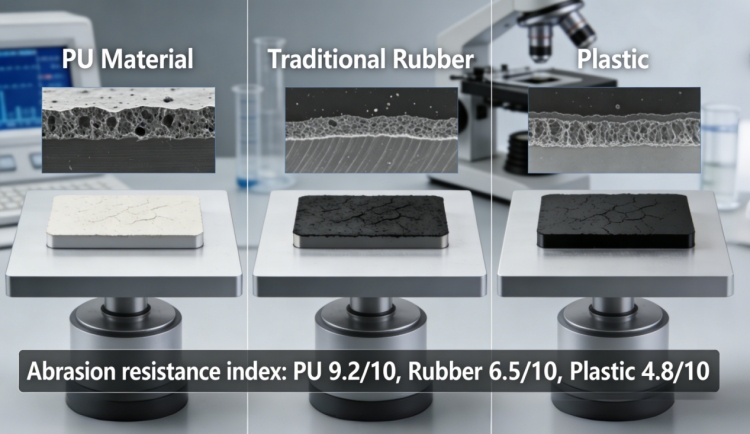
Compared with traditional rubber and plastic materials, PU has obvious advantages, making it a preferred material for many industrial applications:
Versatility: It can be processed into various forms, such as solid elastomers, foams, and coatings, to meet different application needs.
Long Service Life: Due to its excellent wear resistance, oil resistance, and aging resistance, PU products have a longer service life than rubber and plastic products, reducing replacement costs.
Customizability: The hardness, elasticity, density, and color of PU can be customized according to customer requirements, from soft (Shore A 30) to hard (Shore D 80), covering a wide range of needs.
Cost-Effectiveness: Although the initial cost of PU is slightly higher than that of ordinary rubber and plastic, its long service life and stable performance make it more cost-effective in the long run.
Thanks to its excellent performance, PU is widely used in various industries, especially in the fields related to rubber and injection molding products:
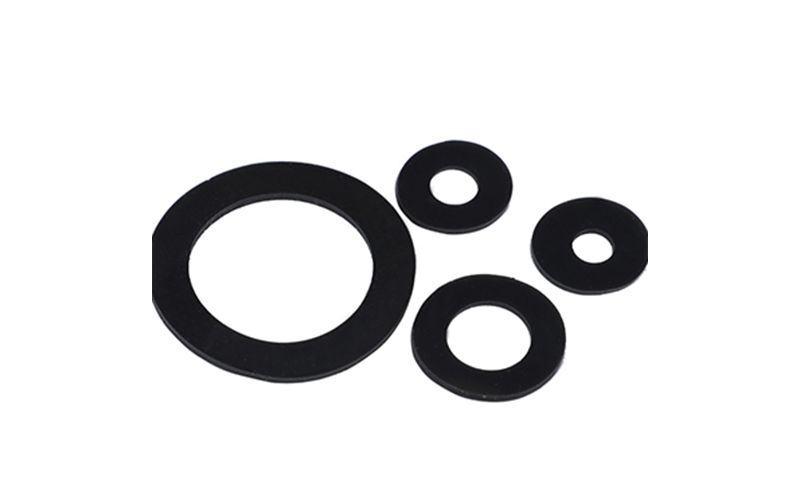
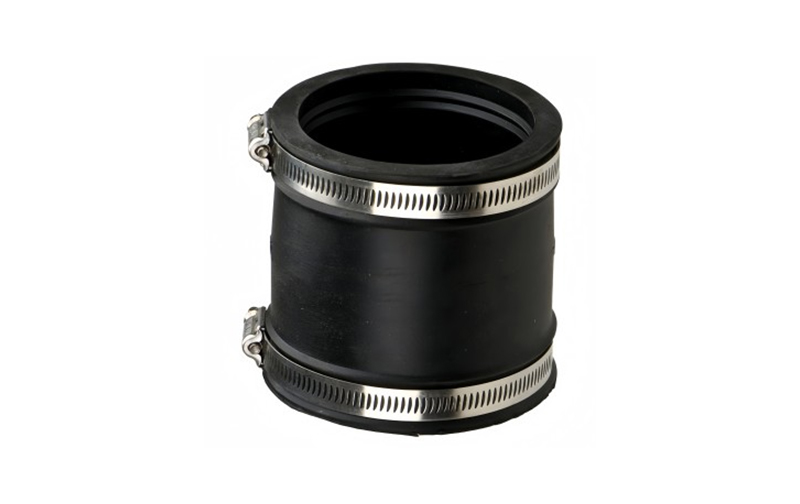
Industrial Components: Industrial wheels, rollers, gaskets, seals, buffers, and wear-resistant parts, which are widely used in machinery, printing, packaging, and logistics equipment.
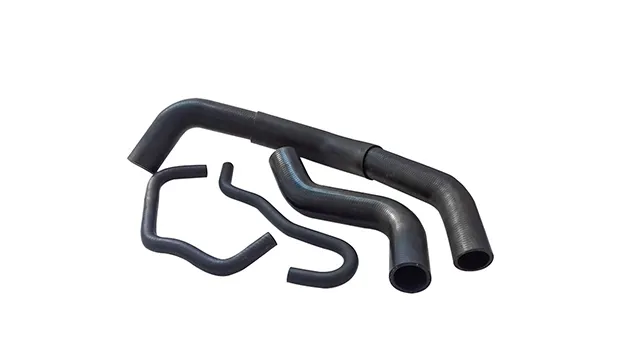
Automotive Industry: PU seals, bushings, shock absorbers, steering wheels, and interior trim parts, which can improve the comfort and durability of vehicles.
Construction Industry: PU foams for thermal insulation, waterproof coatings, floor mats, and door and window seals, leveraging its thermal insulation and waterproof properties.
Daily Necessities: Shoes soles, sports equipment, furniture cushions, and packaging materials, which benefit from its elasticity and comfort.
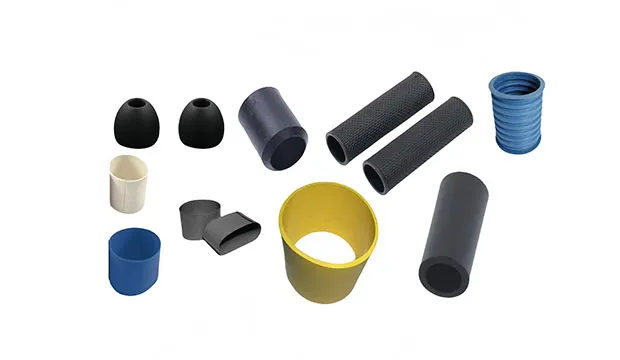
Injection Molding Products: Custom PU injection molding parts, such as medical equipment components, electronic product gaskets, and toy parts, which meet the high-precision requirements of various industries.
PU is a versatile, high-performance material that combines the advantages of rubber and plastic. Its excellent wear resistance, elasticity, and customizability make it an indispensable material in industrial production. As your trusted rubber and injection molding foreign trade supplier, we provide high-quality PU products and customized solutions to meet the diverse needs of global buyers. If you have any questions about PU materials or products, please feel free to contact us.
Email: Sales@srrp.com.cn