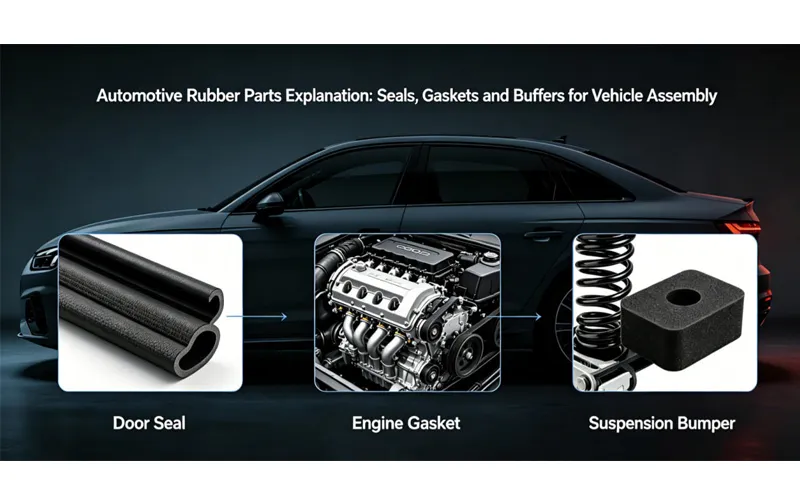
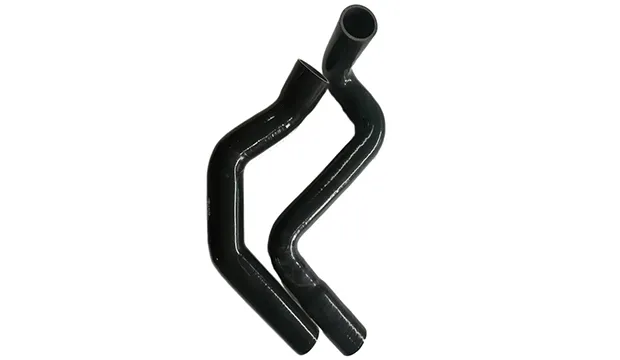
When overseas buyers customize non-standard rubber parts, the most critical technical decision besides material selection is choosing the right production process: rubber extrusion or compression molding. The two processes differ greatly in product shape, dimensional accuracy, production cost, lead time, and applicable scenarios. Choosing the wrong process will lead to higher costs, longer delivery times, or unqualified product performance.
To help you quickly confirm the most suitable production solution for your custom order, we will comprehensively compare rubber extrusion and compression molding in this blog.
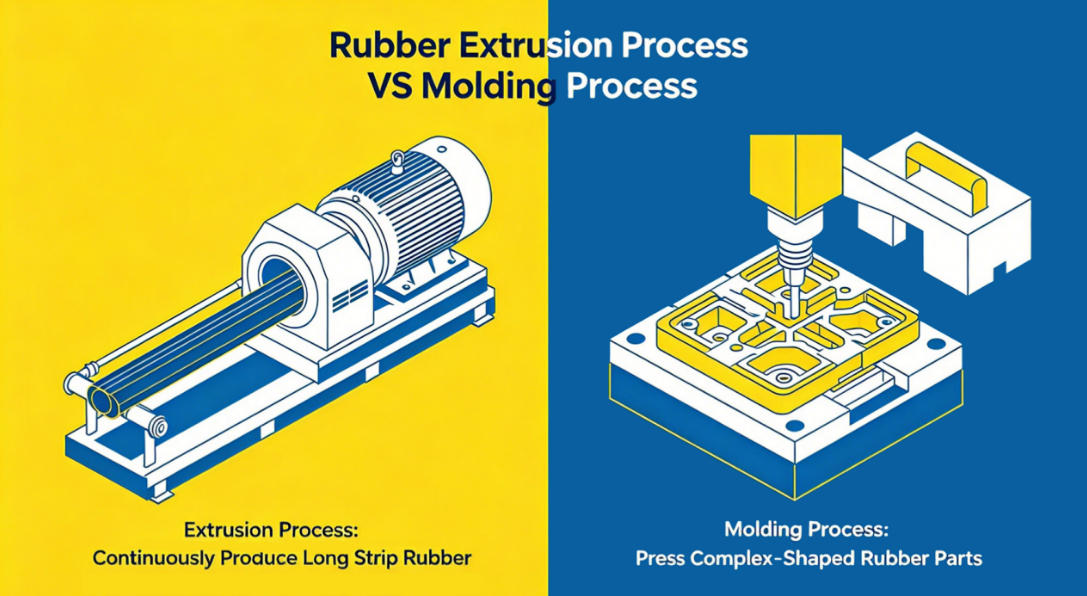
Rubber extrusion is a continuous forming process. After heating and plasticizing, the rubber compound is extruded through a fixed mold mouth to form long-strip, cross-section-fixed rubber products.
Applicable product features: Fixed cross-section, long continuous shape, no complex three-dimensional structure.
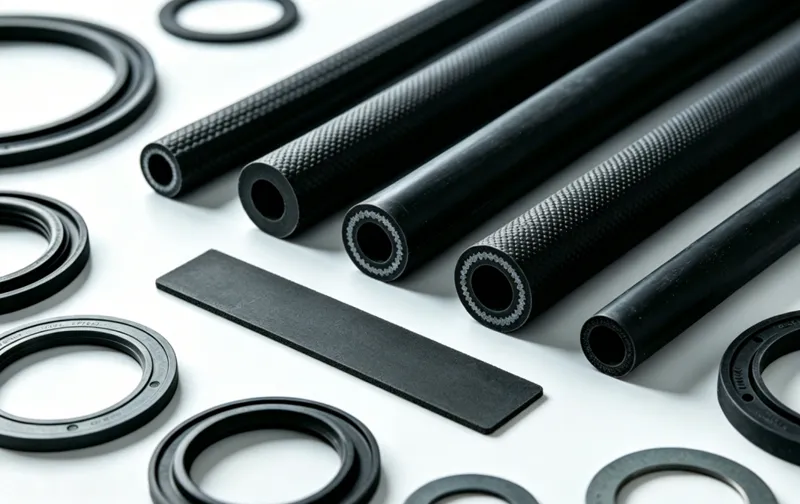
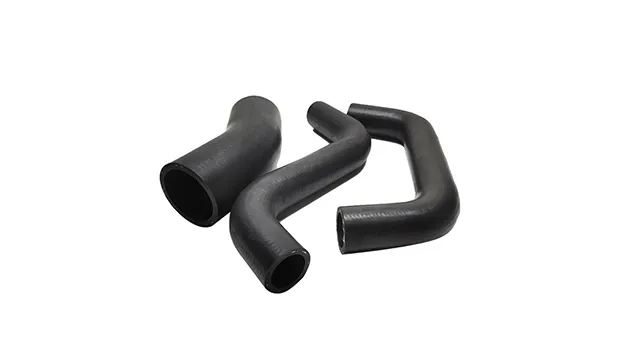
Typical products: EPDM door & window sealing strips, container rubber strips, tubular rubber hoses, solid rubber strips, rectangular rubber bars.
• Low cost for mass production: Continuous production, high output, greatly reduced unit price
• Fast lead time: No complex mold cavity processing, simple debugging, rapid mass production
• Smooth surface & uniform density: Good consistency for long-strip sealing products
• Cannot produce irregular, concave-convex, or special three-dimensional structures
• Lower dimensional precision than molding process
Compression molding is a batch forming process. Pre-measured rubber materials are put into a customized metal mold cavity, and after high temperature and high pressure vulcanization, integral finished rubber parts are formed.
Applicable product features: Irregular shape, complex structure, holes, grooves, bosses, and strict dimensional tolerance requirements.
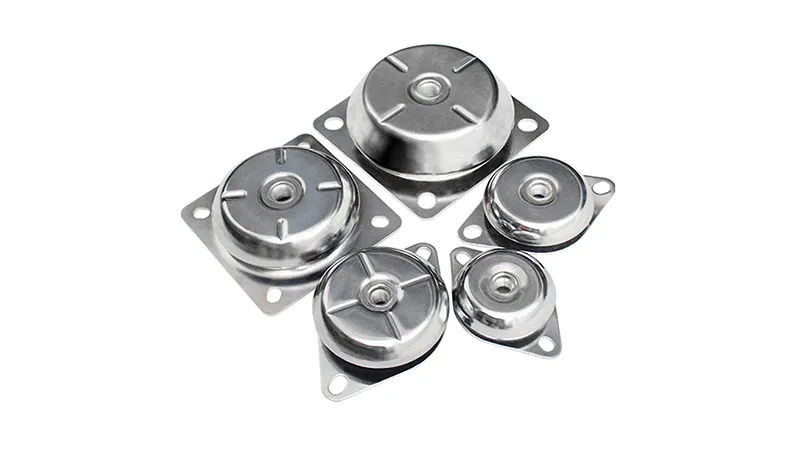
Typical products: Rubber gaskets, O-rings, rubber bumpers, shock mounts, custom-shaped rubber pads, special-shaped mechanical rubber parts.
• High precision: Strictly control product size, flatness, and assembly tolerance
• Strong customizability: Support all kinds of complex irregular structures
• Stable physical performance: High compression resistance, uniform vulcanization, stable hardness
• Higher mold cost for customized special shapes
• Relatively slower production efficiency than extrusion
Choose Extrusion if your product is:
• Long strip, tubular, bar-shaped rubber
• Used for door, window, container, cabinet continuous sealing
• Large order quantity and cost-sensitive
Choose Compression Molding if your product is:
• Irregular 3D shape, with holes, grooves, or partial protrusions
• Small and medium-sized single parts for machinery and automobiles
• Requires strict assembly tolerance and stable load-bearing performance
As a one-stop rubber custom factory, we support both rubber extrusion and compression molding processes. According to your drawings, product usage, order quantity, and cost budget, our engineers will actively recommend the most suitable production process to balance quality, cost, and delivery time.
Whether you need mass-produced extruded sealing strips or high-precision molded custom rubber parts, we can provide mold development, formula customization, sample confirmation, and batch export services.