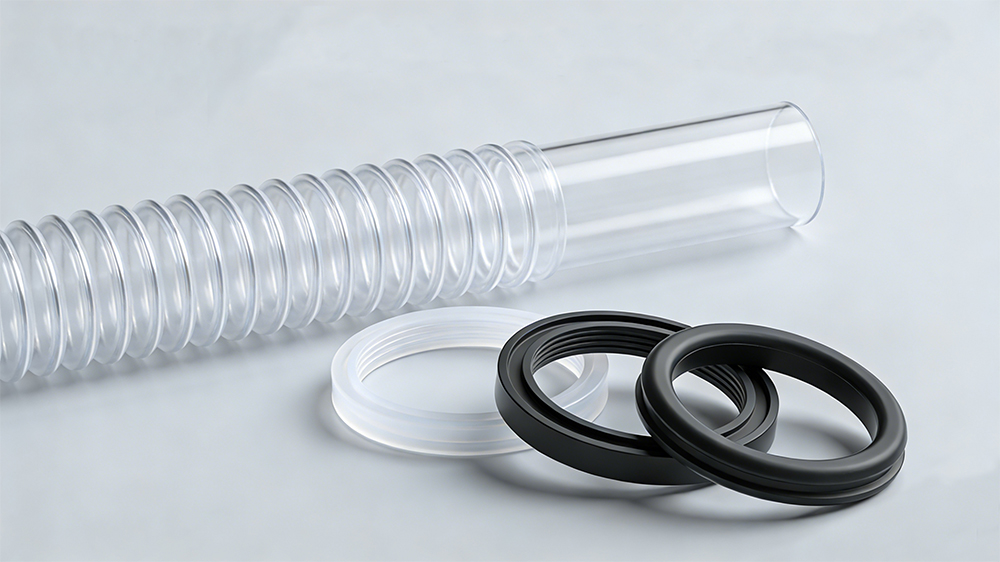
As a professional foreign trade supplier of rubber products, we understand that food safety is non-negotiable in industries such as food processing, catering, and packaging. Rubber materials used in these fields directly or indirectly come into contact with food, so selecting the right food safe rubber is crucial to complying with global food safety standards and protecting consumer health. This article will detail the key characteristics required of rubber materials for food safety applications, recommend the best options, and explain their properties and why they are suitable for food-related scenarios, helping global buyers make safe and reliable purchasing decisions.
Key Characteristics of Rubber Materials for Food Safety Applications
Not all rubbers are suitable for food contact. To meet food safety requirements, rubber materials must have the following core characteristics, which are also in line with international standards such as FDA (US Food and Drug Administration) and EU 10/2011:
• Non-toxic and odorless: No harmful substances (such as heavy metals, phthalates, or toxic plasticizers) are released, and there is no peculiar smell that could contaminate food.
• Low migration: Minimal migration of chemical components into food, even under high temperature, pressure, or contact with acidic/alkaline food.
• Resistant to food media: Withstand contact with water, oil, acids, alkalis, and common food ingredients without swelling, degradation, or performance loss.
• Easy to clean and sanitize: Smooth surface, not easy to accumulate food residues and bacteria, and able to withstand high-temperature sterilization (such as boiling water, steam).
• Compliance with international standards: Pass relevant food contact material certifications to ensure applicability in global food markets.
Based on the above characteristics and years of industry experience, we recommend three types of rubber materials that are most suitable for food safety applications: Silicone Rubber (SR), Ethylene Propylene Diene Monomer (EPDM), and Nitrile Butadiene Rubber (NBR) (food-grade formula).
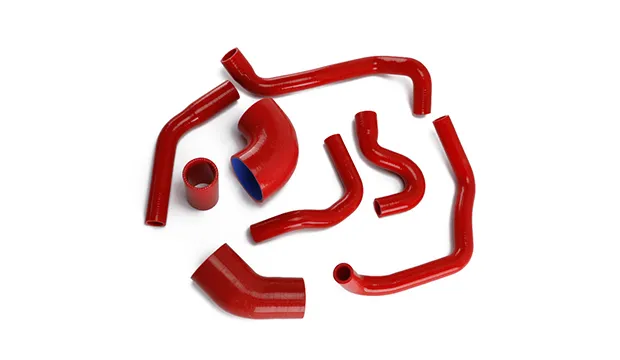
Key Properties: Silicone rubber has an extremely wide temperature range (-60℃ to 250℃), excellent high and low temperature resistance, and can maintain stability during high-temperature sterilization and low-temperature storage. It is non-toxic, tasteless, and environmentally friendly, with almost zero migration of chemical components. It also has good elasticity, compression set resistance, and electrical insulation, and its surface is smooth and easy to clean.
Why It's Suitable for Food Safety: Silicone rubber does not contain any harmful substances, and its molecular structure is stable, so it will not react with food ingredients or release toxic substances even when in long-term contact with hot oil, acidic beverages, or high-temperature food. It fully complies with FDA and EU food safety standards and is recognized as the safest food quality rubber material.
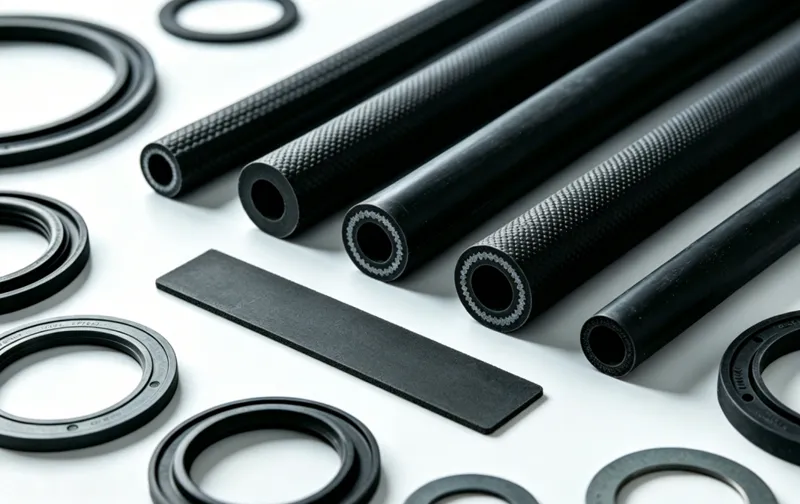
It is widely used in food-grade seals, food molds, baby bottle nipples, food conveyor belts, and high-temperature food processing equipment parts.
Key Properties: EPDM has excellent aging resistance, ozone resistance, and water resistance, and can work stably at -40℃ to 125℃. It is non-toxic, odorless, has low water absorption and chemical migration, and good elasticity and wear resistance. It is also resistant to common food media such as water, milk, and neutral food, and has a low density and cost-effectiveness.
Why It's Suitable for Food Safety: Food-grade EPDM is produced with special non-toxic formulas, without adding harmful plasticizers or anti-aging agents. It has low migration and good chemical stability, and will not contaminate food when in contact with general food and beverages. It complies with FDA standards and is a cost-effective alternative to silicone rubber for non-high-temperature food scenarios.
It is commonly used in food storage equipment seals, beverage bottle caps, food packaging seals, and food processing workshop floor mats.
Key Properties: Food-grade NBR is improved on the basis of ordinary NBR, removing harmful substances and adopting food-safe formulas. It has excellent oil resistance, can withstand contact with edible oil, grease, and fatty foods without swelling or degradation. It also has good wear resistance, tear strength, and elasticity, and is easy to process and mold.
Why It’s Suitable for Food Safety: Unlike ordinary NBR which contains toxic plasticizers, food-grade NBR is produced in strict accordance with food safety standards, with non-toxic additives and low migration. Its excellent oil resistance makes it suitable for food scenarios involving oil contact, and it complies with FDA and EU standards for food contact materials.
It is mainly used in oil seals for food processing equipment, oil-resistant food conveyor belts, and seals for edible oil packaging containers.
Selecting the right rubber material for food safety applications is essential to ensure product quality and comply with global standards. Silicone rubber, food-grade EPDM, and food-grade NBR are the most reliable choices, each suitable for different food scenarios based on their properties. As your trusted rubber products foreign trade supplier, we provide high-quality food-grade rubber products that fully comply with FDA and EU standards, and can customize products according to your specific food application needs. If you have any questions about food-safe rubber materials, please feel free to contact us for professional advice: Sales@srrp.com.cn.