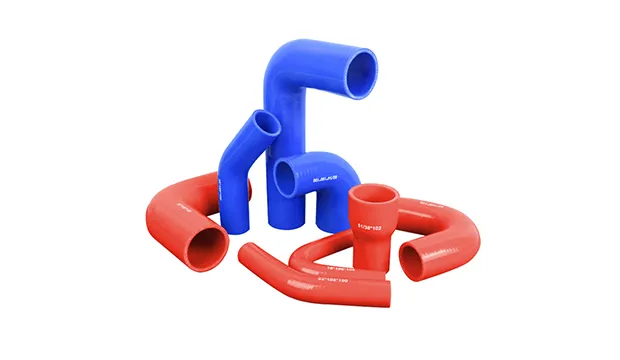
As a professional foreign trade supplier of rubber products, we often receive inquiries from global buyers about EPDM—one of the most widely used synthetic rubbers in various industries. Whether you are looking for sealing materials, insulation products, or automotive components, understanding EPDM is crucial for selecting the right rubber solution. This guide will detail what EPDM is, its advantages and disadvantages, key properties, application fields, and related products, helping you make informed purchasing decisions.
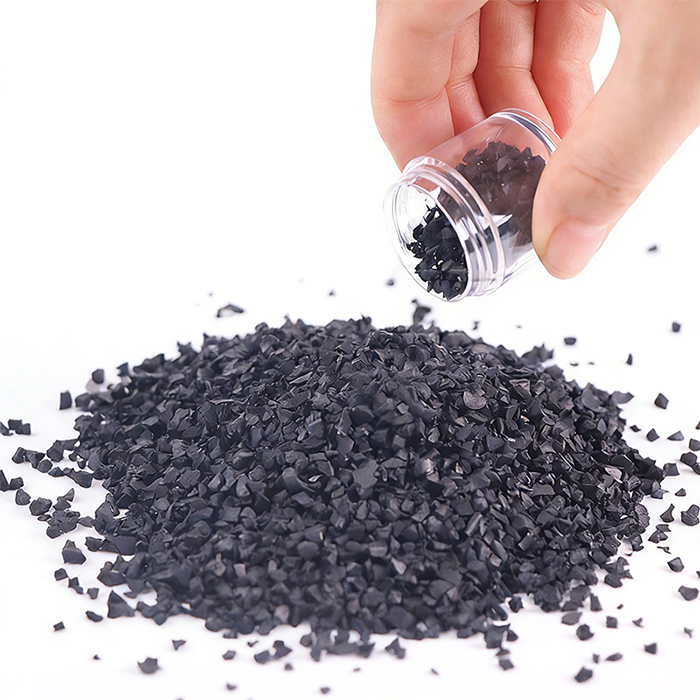
EPDM, short for Ethylene Propylene Diene Monomer, is a type of synthetic rubber produced by copolymerizing ethylene, propylene, and a small amount of non-conjugated diene (third monomer) under the action of a catalyst through solution, suspension, or gas-phase methods. It belongs to the EPM (Ethylene Propylene Rubber) family but with improved processability due to the addition of the third monomer.
Like any material, EPDM has its strengths and limitations. Understanding them helps match it to your specific application needs.
Exceptional Aging Resistance: Due to its saturated main chain structure, EPDM has excellent resistance to ozone, UV radiation, and thermal oxidation. It can withstand 150 hours or more without cracking under 50pphm ozone concentration and 30% stretching, earning it the title of "crack-free rubber".
Wide Temperature Tolerance: It can work stably for a long time at -40℃ to 125℃, and withstand short-term high temperatures up to 200℃, adapting to both frigid and hot environments effortlessly.
Superior Chemical Stability: It is highly resistant to polar chemicals such as alcohols, acids, alkalis, detergents, and animal/plant oils, with almost zero water absorption and excellent resistance to superheated steam.
Excellent Electrical Insulation: With a volume resistivity of 10¹⁶Ω·cm, it has outstanding electrical insulation and corona resistance, making it ideal for electrical and electronic products.
Low Density and High Fillability: With a density of 0.86~0.87g/cm³, it is one of the lightest rubbers and can be filled with a large amount of oil and fillers without significant performance loss, helping reduce production costs.
Poor Adhesion: It has weak self-adhesion and mutual adhesion, making it difficult to bond with metals, fabrics, and other materials. Special surface treatment or adhesives are required, increasing processing costs.
Poor Oil Resistance: Its non-polar structure makes it prone to swelling and softening in non-polar media such as mineral oil, gasoline, and benzene, so it is not suitable for oil-contacting scenarios.
Low Mechanical Strength: Without reinforcement, its tensile and tear strength are lower than natural rubber and nitrile rubber, requiring fillers like carbon black to enhance performance, often resulting in a black appearance.
Limited Processing Efficiency: Its vulcanization speed is relatively slow, requiring a stronger acceleration system, and its poor adhesion increases molding and bonding difficulties.
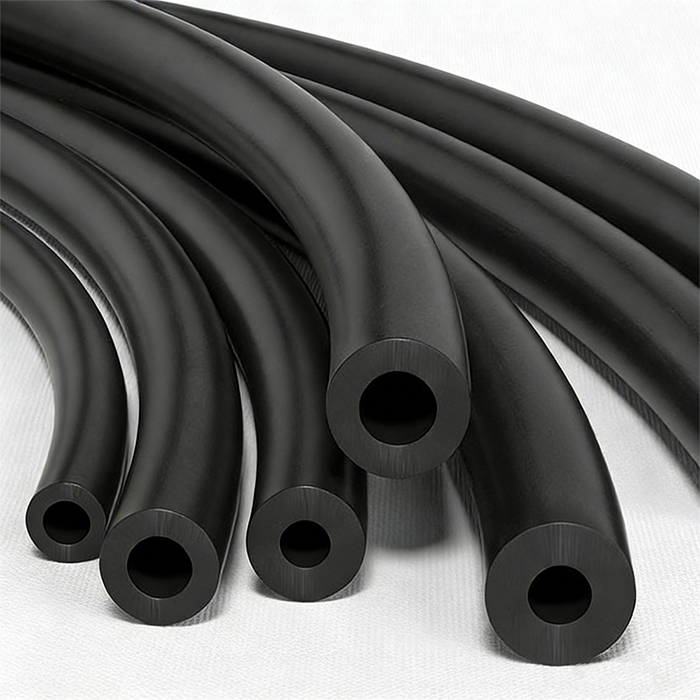
Thanks to its versatile properties, EPDM is widely used in automotive, construction, electrical, and other industries. As a professional supplier, we can customize various EPDM products according to your needs:
EPDM's resistance to high temperature, aging, and chemicals makes it ideal for automotive sealing and hose products:
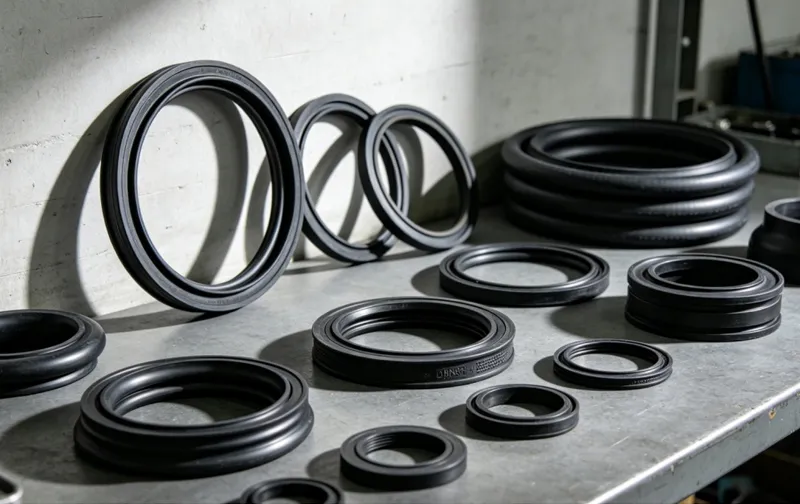
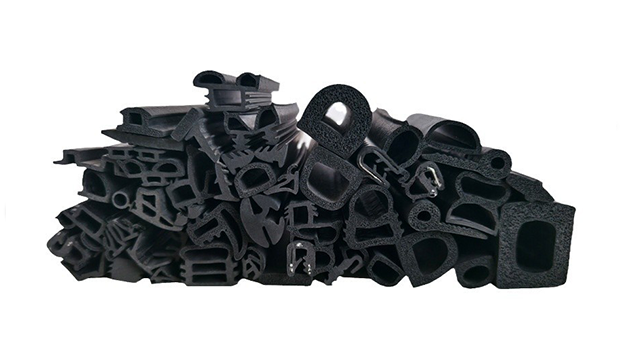
Sealing Components: Door and window seals, trunk seals, sunroof seals, and engine compartment seals, preventing water, dust, and noise from entering the vehicle.
Hose Products: Radiator hoses, coolant hoses, and air intake hoses, withstanding high-temperature coolant and engine exhaust heat.
Other Parts: Tire sidewalls, inner tubes, fan belts, and engine covers, improving product durability and service life.
Its excellent weather resistance and waterproof performance make it a key material for building waterproofing and sealing:
Waterproof Materials: EPDM waterproof membranes for roofs, basements, and swimming pools, with a service life of over 25 years.
Sealing Products: Door and window seals for residential and commercial buildings, curtain wall seals, and expansion joints, adapting to temperature changes and preventing water leakage.
Other Applications: Floor mats, wall gaskets, and sound insulation pads, leveraging its sound absorption and shock absorption properties.
Its outstanding electrical insulation performance is widely used in electrical equipment:
Insulation Components: Insulation sleeves for high and low-voltage wires and cables, terminal insulation gaskets, and transformer insulation pads.
Sealing Parts: Seals for electrical enclosures, preventing moisture and dust from damaging internal components, suitable for outdoor electrical equipment.
Industrial Equipment: Seals for chemical tanks, pipelines, and pumps, resistant to corrosive media (excluding non-polar oils).
Daily Necessities: Rubber strips for refrigerators and washing machines, sports equipment (such as yoga mats), and toy parts (non-toxic formula).
Aerospace: Lightweight sealing components for aircraft, adapting to extreme temperature changes in the air.
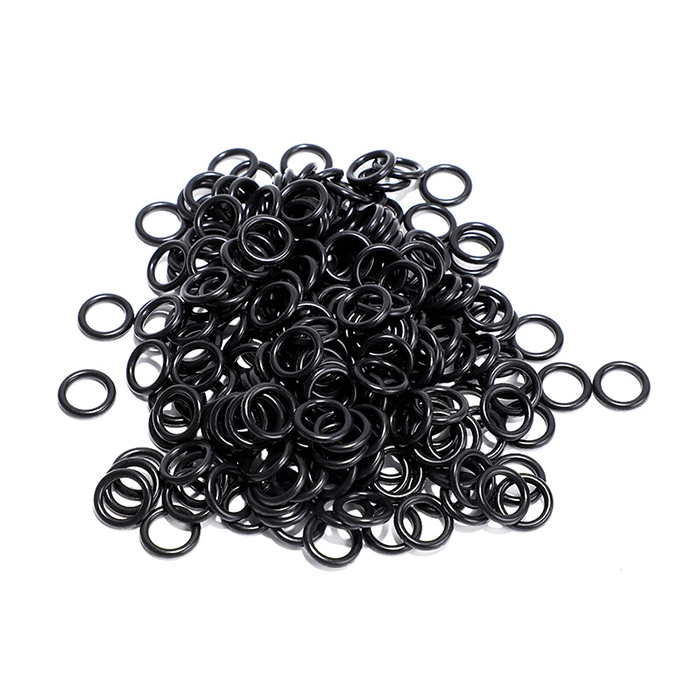
EPDM is a versatile synthetic rubber with excellent aging resistance, temperature tolerance, and electrical insulation, making it indispensable in various industries. While it has limitations in adhesion and oil resistance, these can be partially compensated through modification and special formulas. As your trusted rubber products foreign trade supplier, we provide high-quality, customizable EPDM products to meet the diverse needs of global buyers.
If you have specific requirements for EPDM products—whether it's custom formulas, sizes, or application scenarios—feel free to contact us: sales@srrp.com.cn. Our professional team will provide you with tailored solutions and competitive prices.